- Spring brings leafy greens, peas, asparagus, and herbs.
- Summer offers tomatoes, berries, cucumbers, peppers, and stone fruits.
- Autumn features squash, apples, root vegetables, and brassicas.
- Winter emphasizes storage crops like potatoes, onions, carrots, and preserved goods.
- Reduced fossil fuel dependence
- Lower packaging waste
- Stronger biodiversity through crop rotation
- Enhanced soil regeneration
- Increased regional food sovereignty
Sustainability starts on your plate. While global supply chains make it possible to buy strawberries in winter and imported greens year-round, this convenience comes with environmental costs, transport emissions, refrigeration energy, excessive packaging, and food waste. Farmers’ markets offer a powerful alternative rooted in sustainable, eco-friendly food systems.
Choosing seasonal and local foods is not just a culinary preference; it is a strategic decision that reduces environmental impact, strengthens local economies, and improves nutritional quality. When you buy directly from growers, you shorten the supply chain, minimize resource use, and support agricultural practices that are often more transparent and community-centered.
In 2026, sustainability-conscious consumers are increasingly shifting toward regional food networks. Farmers’ markets are becoming hubs of climate-resilient agriculture, biodiversity preservation, and circular food economies. Understanding how to shop intentionally at these markets can significantly amplify your sustainable lifestyle.
Why Seasonal Eating Is More Sustainable
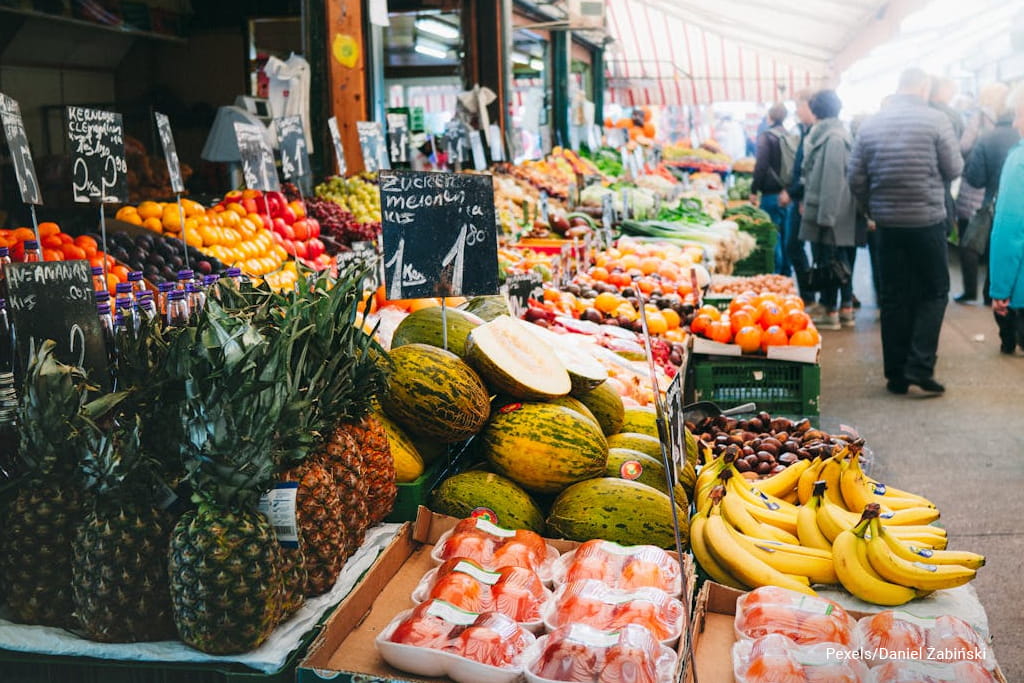
Seasonal produce grows in alignment with natural climate cycles. This reduces dependence on artificial inputs such as heated greenhouses, long-distance freight, and energy-intensive storage facilities. Out-of-season produce often travels thousands of kilometers before reaching supermarket shelves, increasing carbon emissions and packaging waste.
When crops are harvested at peak ripeness, they retain more nutrients and flavor. Seasonal eating therefore delivers both environmental and health benefits. It also encourages dietary diversity throughout the year, which supports soil rotation practices and reduces monoculture farming pressures.
Eating sustainably is not about restriction—it is about rhythm. Aligning meals with natural growing cycles fosters a more resilient and eco-friendly food system.
The Environmental Impact of Local Food
Local food systems reduce transportation emissions—often referred to as “food miles.” While transportation is only one component of a product’s lifecycle footprint, reducing long-haul shipping can meaningfully lower greenhouse gas emissions, especially for perishable goods requiring refrigeration.
Local farmers are also more likely to use diversified cropping systems, small-batch harvesting, and lower packaging volumes. Many practice integrated pest management or organic methods, further supporting sustainability outcomes.
Importantly, money spent at farmers’ markets circulates within the regional economy. Supporting local agriculture enhances food security, preserves farmland, and builds climate resilience within communities.
How to Shop Sustainably at a Farmers’ Market
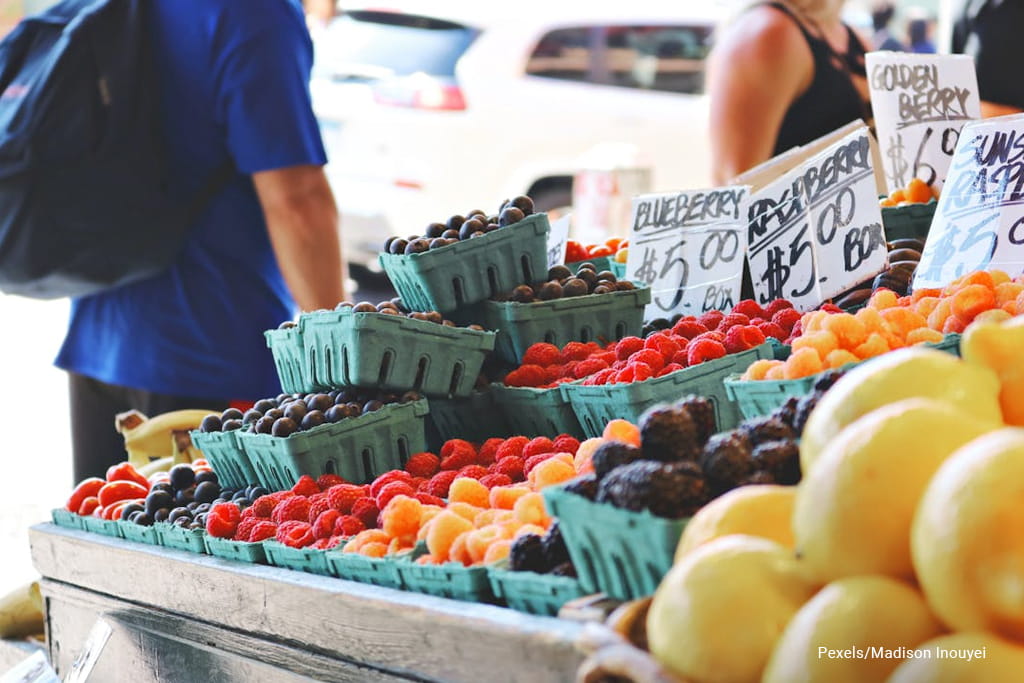
A successful farmers’ market visit requires strategy. Arrive early for peak selection, but also consider visiting near closing time to help vendors reduce surplus waste. Bring reusable bags, produce containers, and cloth wraps to minimize single-use packaging.
Engage vendors in conversation. Ask how crops were grown, whether they use regenerative or organic methods, and what is currently at peak season. Transparency is a hallmark of sustainable food systems, and most small-scale farmers welcome informed dialogue.
Plan meals around available produce rather than shopping for a predetermined recipe. This flexibility ensures that your choices align with what is naturally abundant—an inherently sustainable approach.
Finally, store produce properly to extend shelf life. Leafy greens benefit from breathable containers, root vegetables last longer in cool dark spaces, and herbs can be stored upright in water. Reducing household food waste significantly improves the sustainability impact of local shopping.
Seasonal Eating by Category
Seasonality varies by region, but certain patterns are common across temperate climates:
Learning your region’s harvest calendar strengthens your sustainable shopping decisions and reduces reliance on imported goods.
Nutritional Advantages of Local Produce
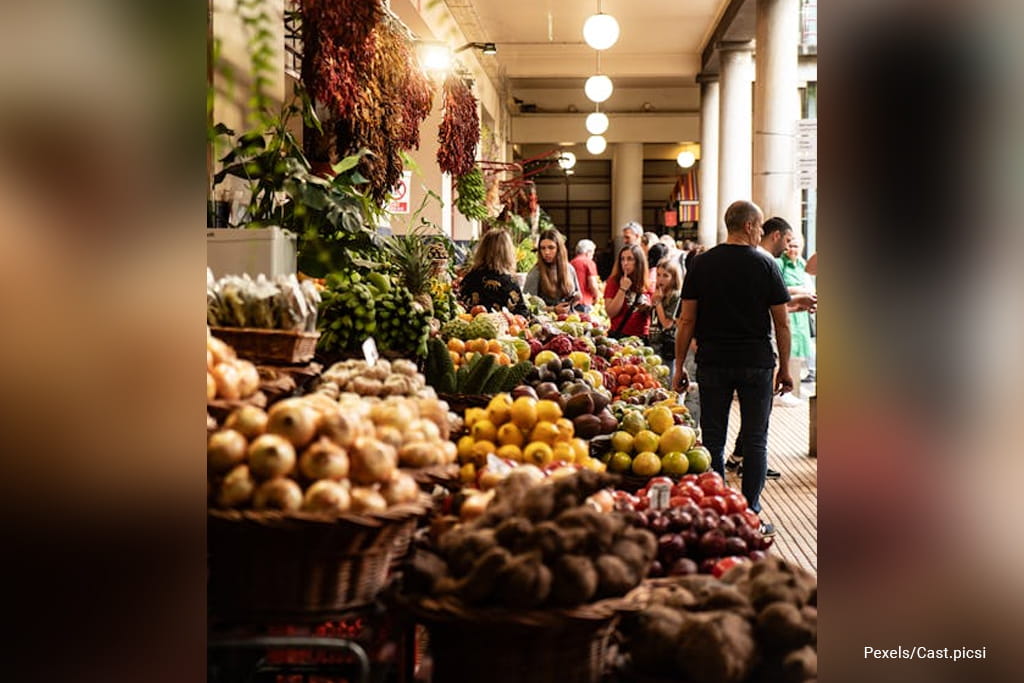
Freshly harvested fruits and vegetables retain higher levels of vitamins, antioxidants, and phytonutrients. Long storage and transport times degrade nutrient density. By purchasing directly from farmers, you often receive produce harvested within 24–48 hours.
Additionally, seasonal diversity promotes gut microbiome health and dietary balance. Sustainable eating is therefore aligned with preventive health strategies and long-term wellness outcomes.
Comparing Local Seasonal Food vs. Supermarket Imports
Criteria | Local & Seasonal (Farmers’ Market) | Imported & Out-of-Season (Supermarket) |
|---|---|---|
| Carbon Footprint | Lower transportation emissions | Higher due to long-distance freight |
| Freshness | Harvested recently | Often harvested early for transport |
| Nutritional Value | Higher nutrient retention | Potential nutrient loss during storage |
| Packaging | Minimal, often eco-friendly | Heavy plastic and packaging |
| Economic Impact | Supports local farmers | Profits centralized in large supply chains |
| Transparency | Direct communication with grower | Limited traceability |
| Price Stability | May vary seasonally | More standardized but influenced by global markets |
Overcoming Common Misconceptions
Some consumers assume farmers’ markets are always more expensive. While certain artisanal goods carry premium pricing, seasonal produce is often competitively priced—especially when supply is abundant. Additionally, the environmental and social value embedded in sustainable food justifies modest price differences.
Another misconception is inconvenience. With growing urban market networks and digital directories, access to local vendors has expanded significantly. Planning ahead transforms farmers’ market visits into efficient weekly routines.
The Bigger Sustainability Picture
Choosing local, seasonal food contributes to broader sustainability goals:
Food systems account for a significant share of global emissions. Incremental dietary shifts toward sustainable sourcing create measurable environmental impact when adopted collectively.
Final Thoughts: Bringing the Farm to Table
Farmers’ markets represent more than open-air shopping, they embody a sustainable economic model rooted in transparency, ecology, and community resilience. Seasonal and local eating is one of the most accessible eco-friendly lifestyle shifts available today.
By aligning your food choices with nature’s cycles, you reduce environmental impact, improve nutritional intake, and strengthen local agriculture. Sustainability is not abstract policy; it is daily behavior. And few habits are as powerful as choosing what you put on your plate.
The next time you plan your weekly meals, start at the farmers’ market. Sustainable living begins with informed, intentional choices and the freshest ingredients are often the most eco-friendly ones.