- Made from renewable or plant-based materials
- Biodegradable or compostable at end-of-life
- Durable enough to reduce frequent replacement
- Free from toxic dyes or adhesives
- Packaged in minimal or recyclable materials
- Bamboo-handled makeup brushes with synthetic cruelty-free bristles
- Reusable microfiber cleansing cloths
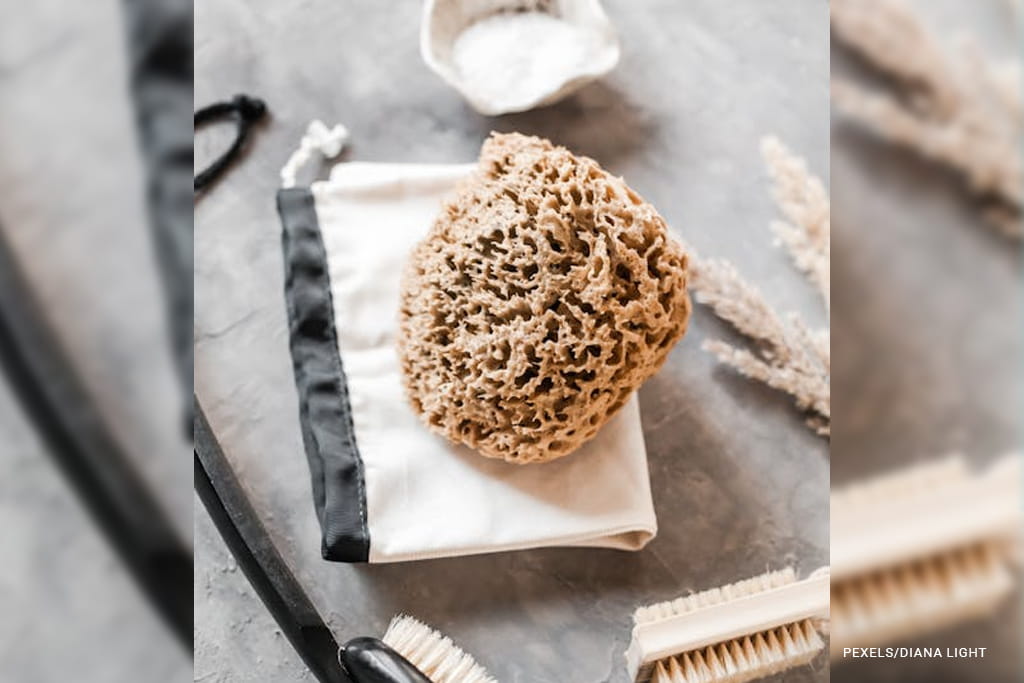
- Compostable konjac sponges made from plant root fibers
- Reduce plastic consumption
- Decrease landfill contribution
- Lower fossil fuel demand
- Minimize microplastic pollution
- Support sustainable material innovation
Most households rely daily on brushes and sponges—for washing dishes, cleaning surfaces, scrubbing bathrooms, or applying makeup. Yet few people consider the environmental footprint of these small, disposable tools. Traditional sponges are typically made from petroleum-based plastics, synthetic foams, and non-biodegradable adhesives. Once worn out, they head straight to landfills, where they can persist for decades.
If sustainability is about reducing waste and minimizing resource extraction, then replacing conventional brushes and sponges with eco-friendly alternatives is a practical, high-impact change. These swaps require minimal lifestyle adjustment yet significantly reduce plastic consumption over time.
In 2026, sustainable living is increasingly defined by material choices. The goal is not perfection, but smarter consumption, choosing products designed for durability, biodegradability, and circularity.
The Environmental Problem with Traditional Sponges
Most kitchen sponges are made of polyurethane or polyester. These synthetic materials are derived from fossil fuels and are neither biodegradable nor easily recyclable. As they break down, they may release microplastics into wastewater systems.
Additionally, low-cost plastic brushes often combine mixed materials – plastic handles, synthetic bristles, rubber grips – making recycling impractical. Frequent replacement compounds the waste problem. A single household may discard dozens of sponges annually.
Sustainability requires evaluating not just what we buy, but how often we replace it and what happens at end-of-life.
What Makes a Cleaning Tool Sustainable?
An eco-friendly brush or sponge typically meets several criteria:
The most sustainable options also prioritize ethical sourcing and transparent manufacturing processes.
Bamboo Dish Brushes
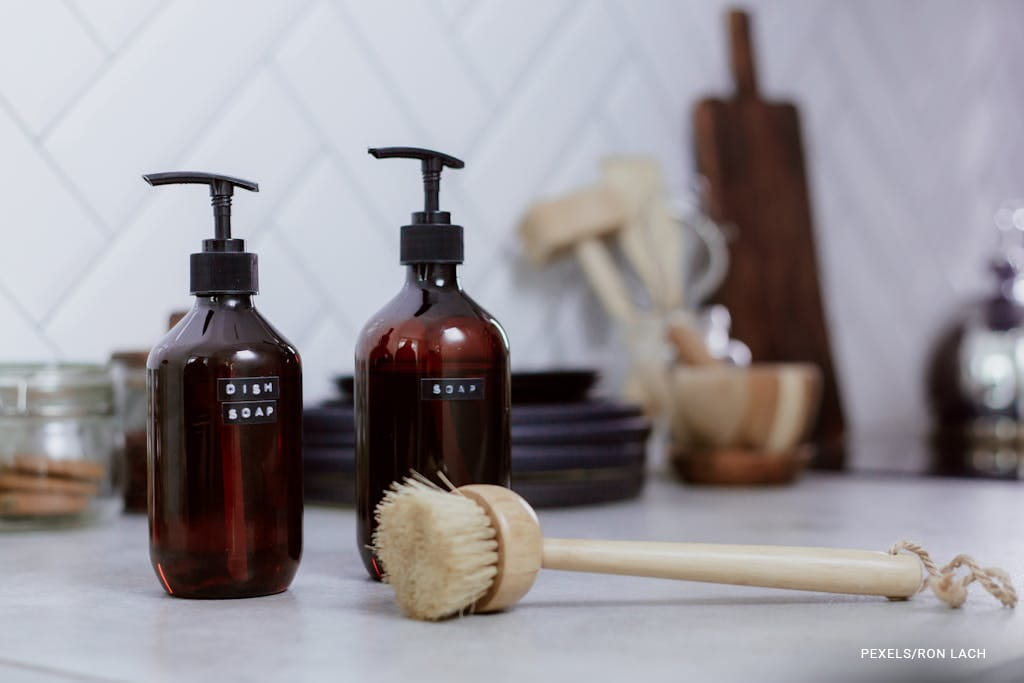
Bamboo has emerged as a leading sustainable material due to its rapid growth cycle and minimal need for pesticides. Bamboo handles paired with natural fiber bristles—such as sisal or tampico—offer durability comparable to plastic brushes.
Unlike petroleum-based plastics, bamboo is biodegradable under appropriate composting conditions. Replacing a plastic dish brush with a bamboo alternative reduces fossil fuel dependency and plastic waste accumulation.
Many eco-friendly brands design these brushes with replaceable heads, further extending product lifespan and improving sustainability metrics.
Plant-Based Cellulose Sponges
Cellulose sponges derived from wood pulp provide a biodegradable alternative to synthetic foam. When composted properly, they break down far more efficiently than traditional polyurethane sponges.
Some options blend cellulose with natural cotton fibers for improved scrubbing strength. While not all “natural” sponges are fully plastic-free, carefully reviewing product composition ensures true eco-friendly performance.
Shorter drying times also reduce bacterial buildup, improving hygiene without chemical disinfectants.
Loofah Scrubbers
Natural loofahs are derived from the fibrous interior of the loofah gourd. Traditionally used in bath routines, they are equally effective for dishwashing and surface scrubbing.
Loofahs are compostable, renewable, and require minimal processing. When sourced responsibly, they represent one of the most sustainable scrubber options available.
Proper drying between uses extends longevity and prevents mold growth, enhancing both hygiene and durability.
Reusable Silicone Alternatives
While silicone is synthetic, high-quality food-grade silicone scrubbers offer exceptional durability and long lifespan. Because they can last significantly longer than traditional sponges, their overall lifecycle waste may be lower.
Silicone scrubbers resist bacterial retention and are dishwasher-safe, reducing replacement frequency. From a sustainability standpoint, durability sometimes outweighs compostability, especially when waste reduction is substantial.
Eco-Friendly Makeup Sponges & Brushes
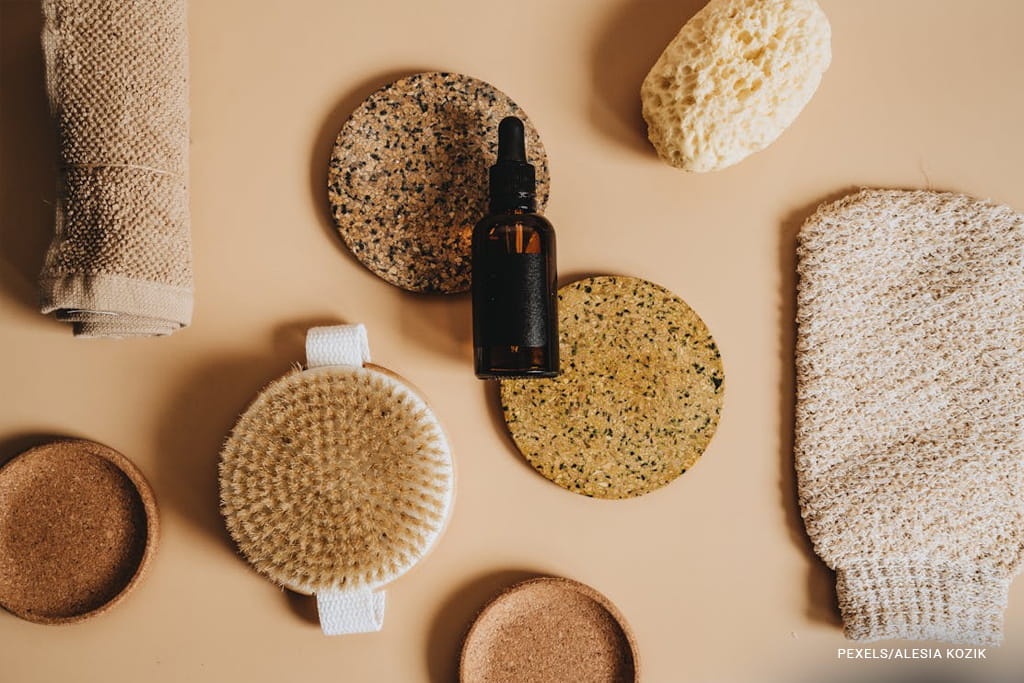
Beauty tools also contribute to landfill waste. Conventional cosmetic sponges are typically made from latex or synthetic foams that degrade poorly.
Sustainable alternatives include:
Certifications from organizations such as Leaping Bunny can help ensure ethical sourcing and animal-friendly standards in beauty tools.
Eco-friendly beauty extends beyond formulations to the tools used daily.
Durability: The Core of Sustainability
A product’s environmental impact is not solely determined by material type but also by longevity. Replacing a plastic sponge weekly generates more waste than maintaining a durable brush for months.
Proper maintenance, thorough rinsing, air drying, occasional sanitizing, dramatically increases tool lifespan. Sustainability improves when consumption slows.
Choosing quality over disposability is foundational to sustainable living.
Eco-Friendly vs. Traditional Brushes and Sponges
| Criteria | Eco-Friendly Alternatives | Traditional Brushes & Sponges |
|---|---|---|
| Material Source | Renewable (bamboo, plant fibers) | Petroleum-based plastics |
| Biodegradability | Often compostable | Rarely biodegradable |
| Waste Generation | Lower over lifecycle | High due to frequent disposal |
| Microplastic Risk | Minimal | Potential microplastic shedding |
| Durability | Designed for extended use | Often short lifespan |
| Packaging | Recyclable or minimal | Plastic-heavy |
| Sustainability Impact | Supports renewable resources | Relies on fossil fuels |
Cost Considerations
Eco-friendly alternatives sometimes carry a slightly higher upfront cost. However, durability and replaceable components frequently reduce long-term expenses. Fewer replacements mean lower cumulative spending and less environmental burden.
Sustainability is an investment in both environmental health and economic efficiency over time.
Small Swaps, Significant Impact
Transitioning to sustainable brushes and sponges may appear minor compared to large lifestyle changes. Yet these everyday tools are replaced frequently, making them high-volume waste contributors.
By adopting eco-friendly alternatives, you:
Small adjustments, repeated consistently, create measurable environmental progress.
Final Thoughts

Eco-friendly alternatives to traditional brushes and sponges demonstrate how sustainability can integrate seamlessly into daily routines. These products do not require dramatic sacrifice, only informed decision-making.
When multiplied across households worldwide, simple swaps can divert millions of plastic items from landfills annually. Sustainable living thrives on cumulative impact, not isolated gestures.
The next time you replace a worn-out sponge or brush, consider its material, lifespan, and disposal path. Choosing renewable, durable, and compostable options turns an ordinary purchase into an eco-friendly commitment.
Sustainability is built one small decision at a time.