
- Potential hormone disruptors
- Respiratory irritants
- Skin allergens
- Persistent environmental pollutants
- Lack of ingredient transparency
- Essential oils
- Plant extracts
- Botanical isolates
- Natural aromatic resins
- Phthalates – Often used to make fragrances last longer
- Synthetic musks – Persistent chemicals that accumulate in the environment
- Parabens – Potential hormone disruptors used as preservatives
- Formaldehyde-releasing preservatives
- Petroleum-derived aroma chemicals
- Lavender essential oil
- Citrus oils (lemon, orange, bergamot)
- Rose absolute
- Sandalwood
- Vanilla extract
- Frankincense resin
- Organic certifications
- Clean beauty standards
- Sustainable sourcing labels
- Essential oil rollers
- Natural soy or beeswax candles
- Botanical room sprays
- Solid perfumes made with plant waxes
- Diffusers with pure essential oils
- Reduces chemical pollution in air and waterways
- Encourages responsible plant-based sourcing
- Supports brands with transparent ingredient practices
- Promotes healthier indoor air quality
Fragrance plays a powerful role in how we experience our homes, personal care products, and daily routines. A favorite scent can instantly elevate your mood, evoke memories, or create a calming environment. However, many conventional fragrances contain synthetic chemicals that may not align with a healthy or eco-friendly lifestyle.
If you’re trying to live more sustainably, switching to non-toxic fragrances is a simple but impactful change. In this guide, we’ll explore what makes a fragrance toxic, how to identify safer alternatives, and how to choose scents that are both natural and environmentally responsible.
Why Conventional Fragrances Can Be Problematic
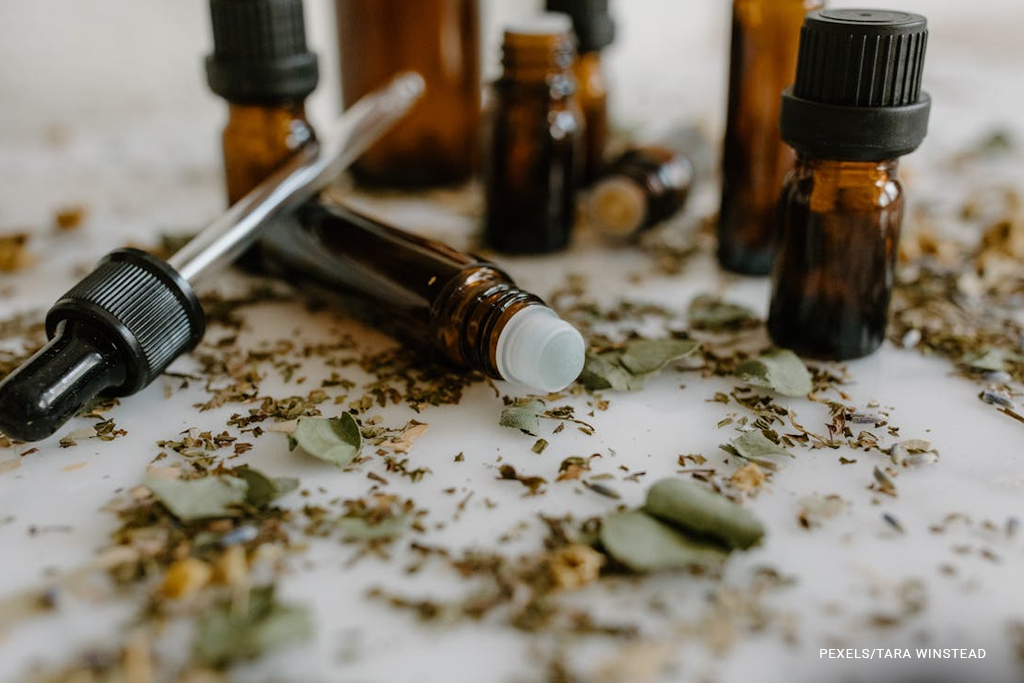
Most commercial fragrances are made using synthetic fragrance blends, often listed simply as “fragrance” or “parfum” on ingredient labels. While this may seem harmless, these terms can conceal dozens or even hundreds of undisclosed chemicals.
Many of these compounds are derived from petroleum or created through complex chemical processes.
Common Concerns with Synthetic Fragrances
Because fragrance formulas are often protected as trade secrets, companies are not required to disclose every chemical used in the blend.
For consumers trying to live sustainably or minimize exposure to toxins, this lack of transparency can make product choices difficult.
What Is a Non-Toxic Fragrance?
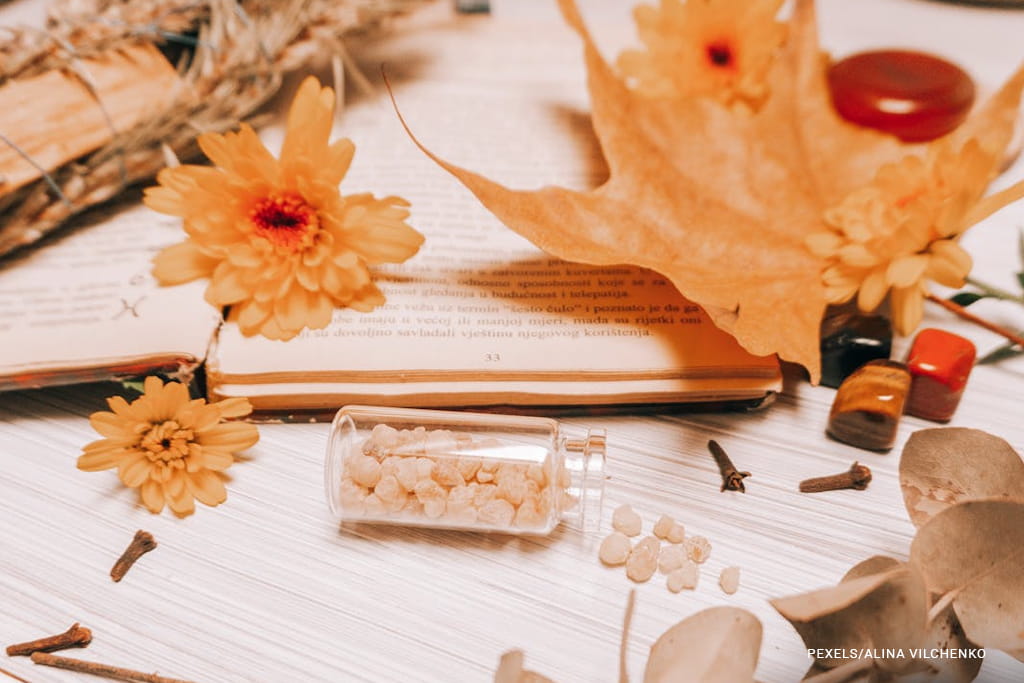
A non-toxic fragrance typically refers to scents created without harmful or controversial chemicals. These fragrances prioritize safety, transparency, and environmentally responsible sourcing.
They are often derived from:
While “natural” does not automatically guarantee safety, many brands committed to sustainability also adhere to stricter ingredient standards and testing practices.
Ingredients to Avoid in Fragrance Products
When shopping for safer fragrances, it’s helpful to recognize ingredients commonly associated with health or environmental concerns.
Watch Out For These Fragrance Ingredients
If a label simply lists “fragrance” or “parfum” without explanation, it may contain undisclosed synthetic compounds.
Natural Fragrance Sources
Safer fragrance alternatives rely on naturally derived scent ingredients. These materials are typically extracted from plants, flowers, woods, and resins.
Common Natural Fragrance Ingredients
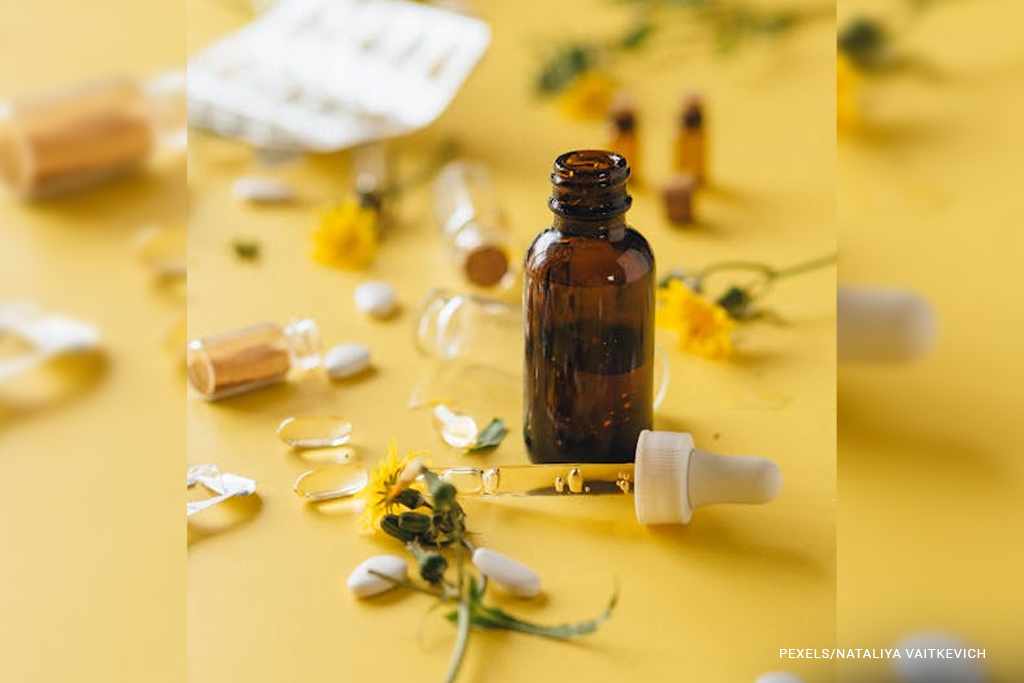
These botanical ingredients create complex, layered aromas without relying on synthetic fragrance blends.
Comparison: Synthetic vs Natural Fragrances
| Feature | Synthetic Fragrance | Natural / Non-Toxic Fragrance |
|---|---|---|
| Ingredient transparency | Often hidden under “fragrance” | Usually disclosed |
| Source | Petroleum-derived chemicals | Plant-based oils and extracts |
| Environmental impact | May persist in ecosystems | Often biodegradable |
| Sensitivity risk | Higher risk for irritation | Typically gentler |
| Sustainability | Usually non-renewable | Often renewable sources |
While natural fragrances may fade faster than synthetic ones, many people prefer them because they align with healthier and more eco-conscious living.
How to Choose a Safe and Non-Toxic Fragrance
Selecting a clean fragrance becomes much easier when you know what to look for. The following tips can help you make more informed choices.
1. Look for Full Ingredient Transparency
Brands committed to non-toxic formulations usually disclose all fragrance ingredients or explain their scent sources.
2. Choose Essential Oil-Based Fragrances
Products scented with essential oils or botanical extracts are typically safer alternatives.
3. Check for Third-Party Certifications
Certain certifications indicate higher standards for ingredient safety.
Examples include:
4. Avoid Artificial Fragrance Labels
If the ingredient list only includes “fragrance” or “parfum”, it may contain undisclosed chemicals.
5. Consider Sensitive Skin Formulas
Some natural fragrances are formulated specifically for people with allergies or skin sensitivities.
Eco-Friendly Fragrance Options
If you want to incorporate fragrance into your sustainable lifestyle, there are many eco-friendly alternatives available today.
Sustainable Scent Ideas
These options reduce exposure to synthetic chemicals while creating a naturally pleasant environment.
The Link Between Fragrance and Sustainable Living
Choosing non-toxic fragrances supports sustainability in several ways:
Small lifestyle choices—like switching your perfume, candles, or home fragrances—can collectively make a meaningful environmental difference.
Final Thoughts
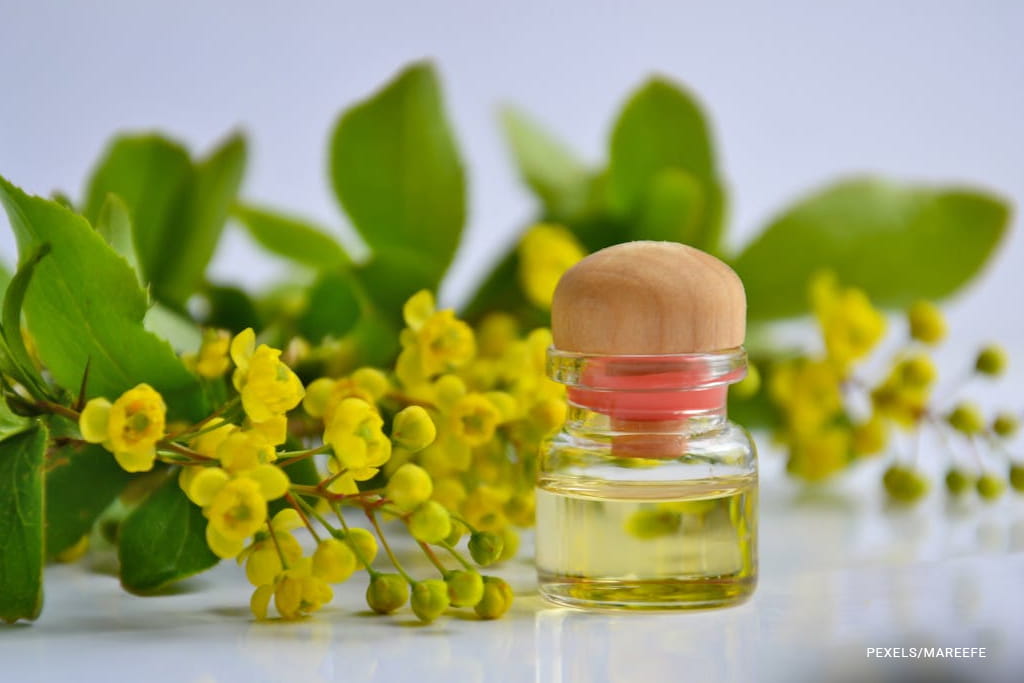
Fragrance is deeply personal, but it doesn’t have to come at the expense of your health or the environment. By choosing non-toxic, plant-based fragrances, you can enjoy beautiful scents while supporting a cleaner and more sustainable lifestyle.The key is awareness: understanding ingredient labels, seeking transparent brands, and embracing natural alternatives. Over time, these choices can help create a healthier home, reduce your environmental footprint, and align your daily habits with eco-friendly living.