
- More pollinators like bees, butterflies, and hoverflies.
- Natural pest control from birds, frogs, and beneficial insects.
- Improved plant health through better pollination.
- A more vibrant, relaxing outdoor space.
- Environmental stewardship right from your backyard.
- They’re adapted to your local climate.
- Require less water and maintenance.
- Attract native insects, which support birds and other wildlife.
- Flowering perennials (coneflowers, milkweed, salvia)
- Shrubs with berries (elderberry, viburnum)
- Native grasses (switchgrass, little bluestem)
- Wildflower mixes for seasonal color and diversity
- Plant nectar-rich flowers for pollinators.
- Grow berry- or seed-producing shrubs and trees.
- Let some plants go to seed for birds.
- Add a vegetable patch or herb garden for additional habitat diversity.
- Bird feeders filled with sunflower seeds, millet, or suet.
- Butterfly feeders with sugar-water solution.
- Birdbaths — shallow and easy to maintain.
- Small ponds or mini water gardens — attract frogs, dragonflies, and beneficial insects.
- Drip systems or misters for butterflies and small birds.
- DIY pebble trays for bees to safely drink without drowning.
- Shrubs and hedges for nesting and hiding.
- Deadwood or log piles for insects, amphibians, and reptiles.
- Rock piles for lizards and ground-dwelling creatures.
- Evergreen trees for year-round protection.
- Brush piles made from trimmed branches.
- Birdhouses that match local species’ needs.
- Bat houses to encourage natural mosquito control.
- Bee hotels for solitary bees (avoid oversized “bee hotels” that invite pests — small, clean designs are best).
- Allow leaves to accumulate in some areas; many insects overwinter in leaf litter.
- Companion planting to deter pests.
- Neem oil or insecticidal soap for targeted pest control.
- Mulching for weed suppression.
- Composting instead of synthetic fertilizers.
- Vary plant heights: groundcovers → shrubs → trees
- Choose plants with staggered bloom times (spring, summer, fall)
- Mix evergreen and deciduous plants
- Include open areas for sun-loving insects
- Maintain shaded spots for amphibians and small mammals
- A corner for tall grasses
- A few sections of unfinished wood
- Leaf litter under shrubs
- Unmowed patches for ground-nesting insects
- New birds visiting feeders
- Pollinators using different flowers
- Signs of nesting or burrowing
- Seasonal changes in wildlife behavior
Creating a wildlife-friendly backyard isn’t just a trend—it’s a meaningful way to support biodiversity, restore balance to local ecosystems, and enjoy a lively, beautiful garden full of birds, butterflies, and beneficial insects. The best part? Anyone can do it, regardless of yard size.
In this guide, you’ll learn how to transform your garden into a thriving habitat using simple, sustainable practices.
Why Create a Wildlife Habitat at Home?
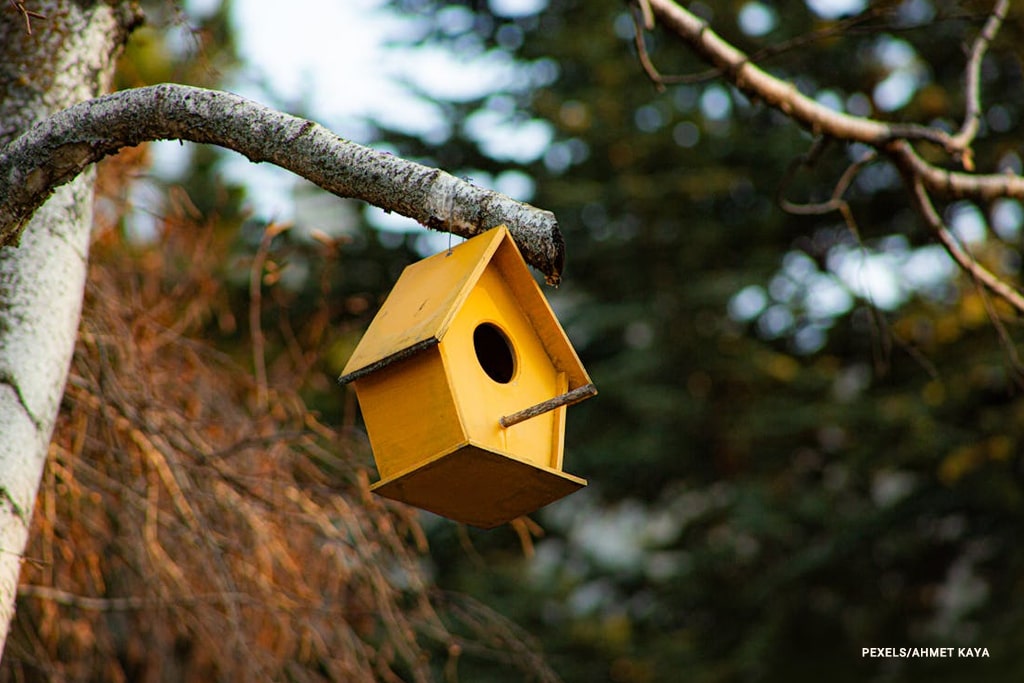
A wildlife habitat garden provides food, water, shelter, and safe nesting areas for various species. Even small efforts can make a big difference, especially in urban and suburban environments where natural habitats continue to shrink.
Benefits include:
Step 1: Start With Native Plants
Native plants are the backbone of any successful wildlife habitat. They offer the nectar, pollen, berries, and shelter that local species depend on.
Why choose natives?
Examples of native plant types to consider:
Step 2: Provide Sources of Food
Wildlife thrives in gardens with diverse, reliable food sources. The goal is to ensure something is available year-round.
Ways to supply natural food:
Supplemental feeding:
Just remember: if you provide feeders, keep them clean and regularly stocked to prevent disease.
Step 3: Add a Water Source
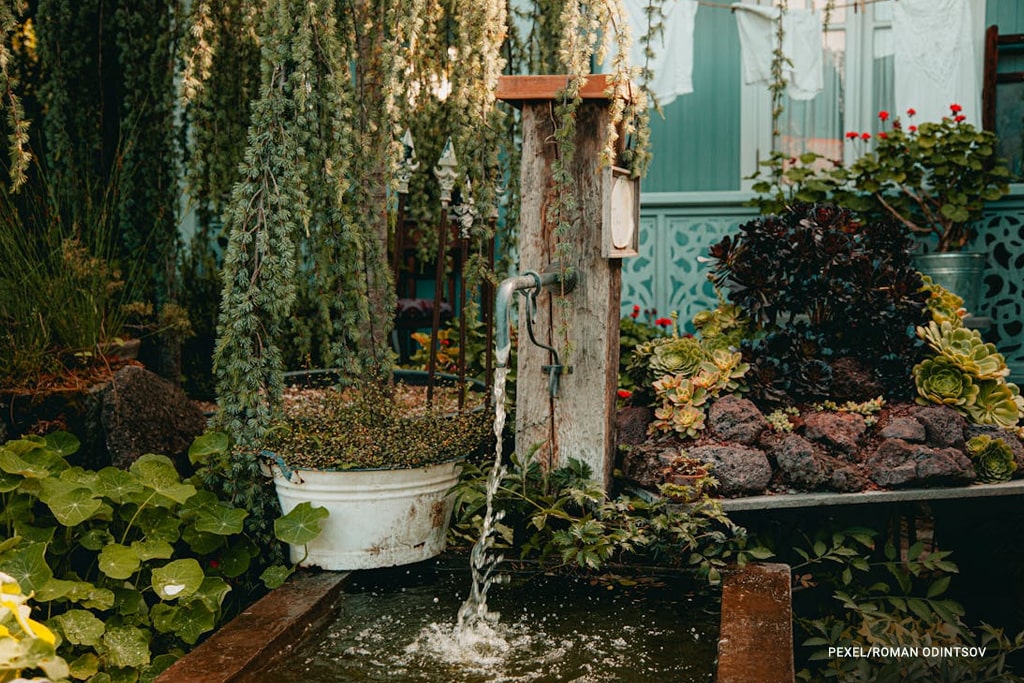
No habitat is complete without water. Wildlife needs it for drinking, bathing, and cooling off.
Options for backyard water features:
Keep water clean to prevent mosquitoes and ensure animal safety.
Step 4: Create Shelter and Safe Spaces
Wildlife needs protection from predators, harsh weather, and human activity. By adding layers of plants and natural materials, you can mimic the structure of natural habitats.
Shelter ideas:
Step 5: Offer Nesting Areas
Nesting areas encourage birds and beneficial insects to stay long-term.
Ways to provide nesting opportunities:
Step 6: Avoid Chemicals and Go Organic
Pesticides, herbicides, and synthetic fertilizers harm the very wildlife you want to attract.
Try these eco-friendly alternatives:
Healthy ecosystems naturally balance themselves when given time.
Step 7: Design for Diversity and Year-Round Habitat
A wildlife garden should be dynamic and multi-layered—just like nature.
Elements of a diverse habitat:
The more variety you add, the more species you’ll attract.
Step 8: Keep Parts of the Garden “Wild”
Not everything needs to be perfectly manicured. Letting some areas grow naturally creates essential habitat.
Try leaving:
These small changes greatly increase biodiversity.
Step 9: Observe, Learn, and Adjust
A wildlife garden evolves over time. The more you observe, the better you’ll understand what your local species need.
Watch for:
Make gradual adjustments—adding new plants, improving water sources, or creating new shelter spots.
Transform Your Backyard Garden Into a Wildlife Haven
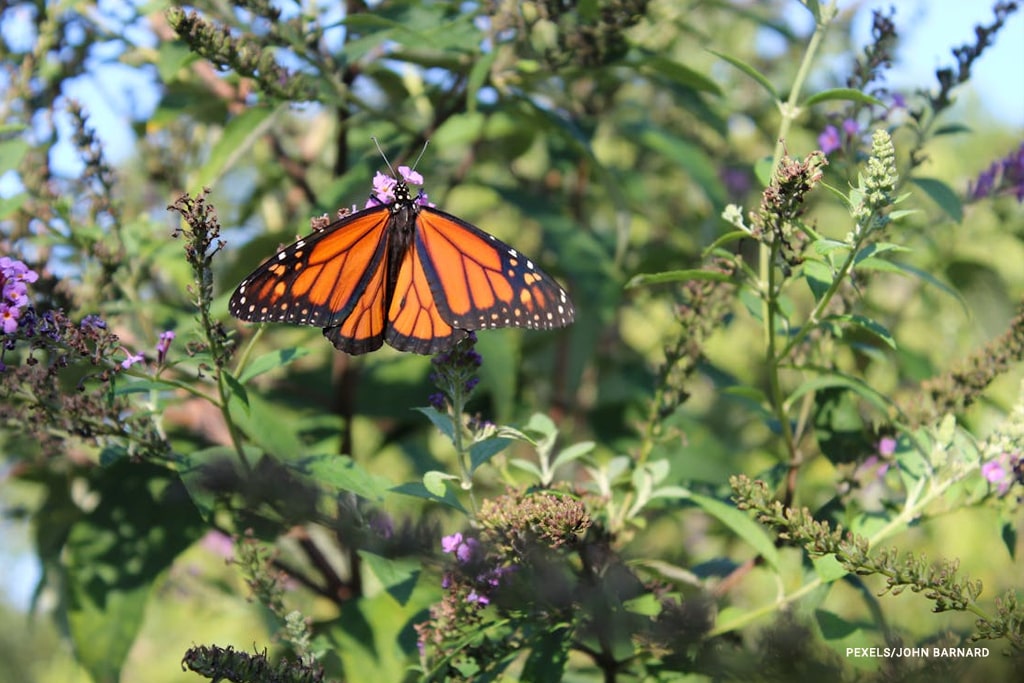
Building a wildlife habitat in your backyard garden is one of the most rewarding ways to connect with nature. With simple, intentional choices—like planting natives, providing water, and avoiding chemicals—you’ll create a space where birds sing, butterflies dance, and your garden ecosystem thrives.
Whether you have a sprawling yard or a small suburban lot, every effort contributes to a healthier environment. Start small, stay curious, and enjoy watching your backyard come alive.