
- Replace liquid shampoo with a solid bar.
- Use reusable cotton pads instead of disposable wipes.
- Choose refillable deodorant systems.
- Switch to bamboo toothbrushes.
- Select reef-safe sunscreen formulas.
- Biodegradable packaging innovations
- Carbon-labeled cosmetics
- Blockchain-enabled ingredient traceability
- Waterless formulation expansion
- Stronger regulatory oversight of sustainability claims
The beauty industry generates billions of units of packaging waste annually, consumes significant water resources, and relies heavily on synthetic ingredients derived from fossil fuels. While individual products may appear small, daily routines compound into measurable environmental impact over time.
Building a sustainable beauty routine is not about abandoning self-care. It is about redesigning consumption patterns to prioritize sustainability, ingredient transparency, ethical sourcing, and waste reduction. In 2026, eco-friendly beauty is no longer niche, it is a structural shift driven by informed consumers who expect accountability from brands.
A sustainable routine begins with awareness. Understanding what goes into products, how they are packaged, how often they are replaced, and how they are disposed of allows you to reduce environmental impact without compromising quality.
Rethinking Consumption: Buy Less, Choose Better
The most powerful sustainability strategy is reduction. Many personal care routines contain redundant products, multiple serums targeting the same concern, seasonal trend purchases, or impulse cosmetics rarely used. Minimalist routines decrease packaging waste, reduce chemical runoff, and lower overall carbon footprint.
Adopting a “finish before replacing” policy prevents premature disposal. Sustainable consumption prioritizes durability and effectiveness over novelty. When evaluating new products, ask whether they solve a real need or simply reflect marketing influence.
Sustainability in beauty is fundamentally about intentionality.
Choosing Sustainable Ingredients
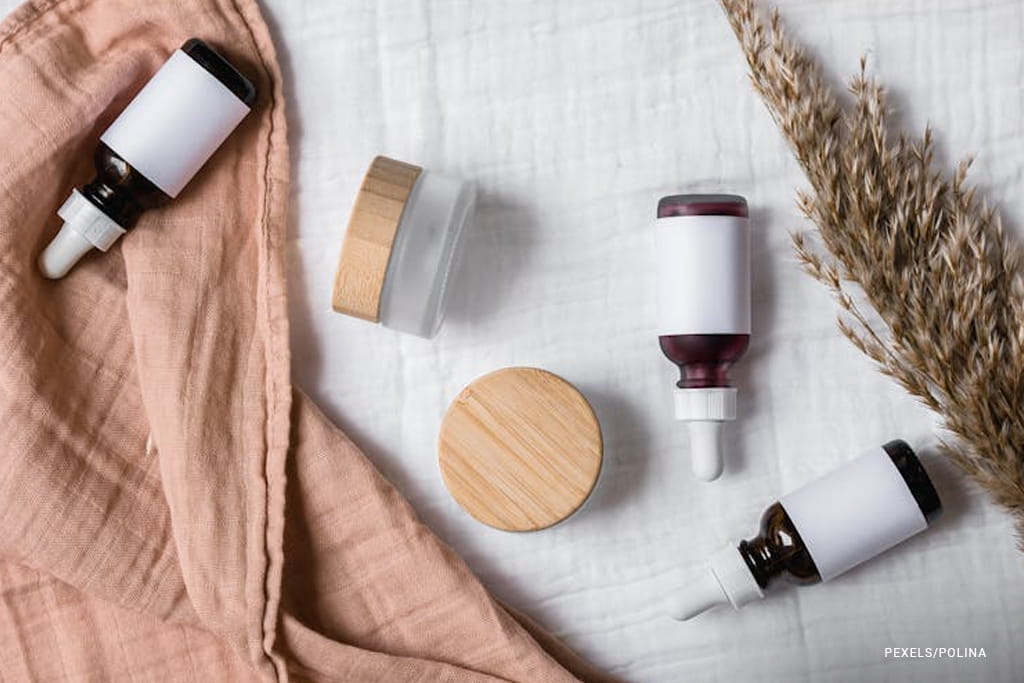
Ingredient sourcing plays a critical role in eco-friendly beauty. Look for biodegradable formulations that minimize aquatic toxicity and avoid persistent microplastics. Plant-based ingredients can be sustainable, but only when responsibly harvested to prevent deforestation or biodiversity loss.
Certifications from organizations such as USDA Organic and Leaping Bunny indicate stronger environmental and ethical standards. While certifications are not the only measure of sustainability, they offer third-party verification of claims.
Avoid vague terms like “natural” or “clean” without supporting evidence. Transparent ingredient lists and lifecycle disclosures demonstrate genuine commitment to sustainable formulation practices.
Reducing Packaging Waste
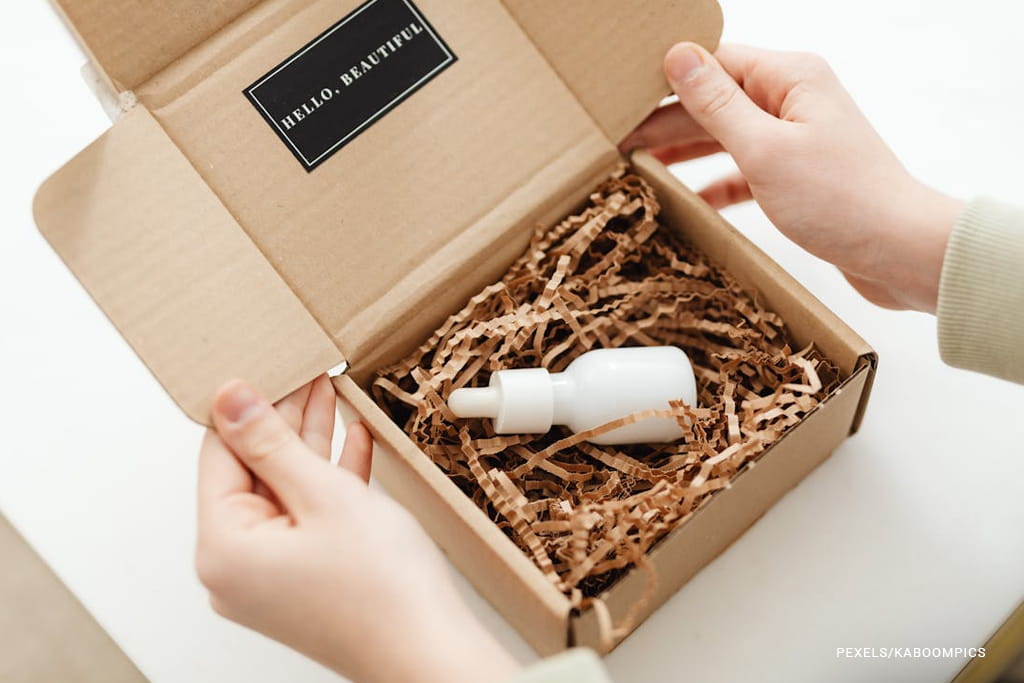
Packaging is one of the largest environmental burdens in the beauty sector. Single-use plastics, mixed-material pumps, and non-recyclable laminates contribute to landfill overflow and ocean pollution.
Opt for products packaged in glass, aluminum, or widely recyclable plastics. Refillable systems dramatically improve sustainability metrics by extending packaging life cycles. Brands that offer take-back programs or closed-loop recycling further reduce waste leakage.
Solid formats—such as shampoo bars, conditioner bars, and concentrated cleansers—eliminate the need for plastic bottles while lowering transport emissions due to reduced weight and volume.
Water Conservation in Beauty Routines
Water footprint is often overlooked in sustainability conversations. Traditional shampoos, body washes, and cleansers contain high water content, increasing production and shipping weight. Concentrated or waterless formulations minimize this resource use.
Shortening shower duration, turning off taps while brushing teeth, and using low-flow fixtures are behavioral adjustments that compound into measurable environmental benefits. Sustainable beauty extends beyond products to daily habits.
Energy & Carbon Considerations

Hair dryers, straighteners, and hot water usage contribute to household energy consumption. Air-drying when possible, using lower heat settings, and investing in energy-efficient tools reduce carbon emissions associated with personal care routines.
Additionally, supporting brands that disclose Scope 1, 2, and 3 emissions demonstrates alignment with science-based climate goals. Companies such as The Body Shop have expanded refill initiatives and community sourcing programs to improve sustainability performance.
Ethical Sourcing & Fair Labor
Sustainability encompasses both environmental and social dimensions. Ethical beauty brands ensure fair wages, safe working conditions, and responsible supply chain management.
Certifications from Fairtrade International indicate that ingredient producers receive equitable compensation. Ethical sourcing strengthens community resilience and reduces exploitation within global supply chains.
An eco-friendly product that ignores labor ethics is only partially sustainable. True sustainability integrates environmental stewardship with human rights protections.
Practical Eco-Friendly Beauty Swaps
Small changes produce cumulative impact. Consider these strategic substitutions:
While individual swaps may seem minor, sustained behavior change over years significantly reduces waste and resource consumption.
Sustainable Beauty vs. Conventional Beauty: A Comparison
| Criteria | Sustainable Beauty Routine | Conventional Beauty Routine |
|---|---|---|
| Packaging | Refillable, recyclable, minimal | Single-use plastic dominant |
| Ingredient Transparency | Clear sourcing & certifications | Often vague or proprietary |
| Environmental Impact | Lower carbon & water footprint | Higher lifecycle emissions |
| Animal Testing | Cruelty-free standards common | May allow animal testing |
| Waste Generation | Reduced through solid & refill formats | High due to disposables |
| Ethical Labor | Fair trade & responsible sourcing | Limited visibility |
| Long-Term Cost | Potentially lower due to durability | Frequent repurchasing |
Overcoming Common Barriers
Some consumers hesitate due to perceived cost differences. However, concentrated formulas, refill systems, and multi-use products often reduce cost per use over time. Durability offsets upfront pricing.
Performance concerns also arise. Today’s sustainable formulations are supported by advanced green chemistry, delivering efficacy comparable to conventional products. Eco-friendly does not mean less effective, it means responsibly engineered.
Convenience is improving as mainstream retailers expand sustainable product lines. Accessibility continues to increase alongside consumer demand.
The Future of Sustainable Beauty
In 2026 and beyond, expect to see:
As transparency becomes standard practice, greenwashing will face greater scrutiny. Brands that embed sustainability into product design—not just marketing—will lead the industry.
How to Make Your Beauty Routine More Eco-Friendly

A sustainable beauty routine is built through incremental, intentional decisions. By reducing consumption, prioritizing eco-friendly packaging, selecting certified ingredients, and supporting ethical brands, you significantly decrease environmental impact without sacrificing self-care.
Sustainability is not about perfection. It is about progress measured, informed, and consistent. Your daily routine is a powerful lever for change. When multiplied across millions of consumers, sustainable beauty choices reshape the entire industry.
The mirror reflects more than appearance. It reflects values. Choose products that align with a more sustainable future.