
- They harm pollinators like bees and butterflies.
- They contaminate soil and water sources.
- They create pesticide-resistant pests over time.
- They can pose risks to pets, wildlife, and children.
- Rich, well-drained soil with plenty of organic matter.
- Proper spacing for airflow and sunlight.
- Regular watering (but not overwatering).
- Ladybugs: Devour aphids and whiteflies.
- Lacewings: Eat mites and small caterpillars.
- Hoverflies: Feed on aphids and pollinate flowers.
- Parasitic Wasps: Target caterpillars and beetle larvae.
- Ground Beetles: Consume slugs and soil pests.
- Plant nectar-rich flowers like marigolds, cosmos, dill, and yarrow.
- Avoid chemical sprays that kill both good and bad insects.
- Provide small shelters (like bug hotels or mulch) for overwintering.
- Basil + Tomatoes: Basil deters whiteflies and enhances tomato flavor.
- Marigolds + Vegetables: Their scent repels nematodes and aphids.
- Lavender + Roses: Keeps away moths and attracts pollinators.
- Carrots + Onions: Onions repel carrot flies, and carrots deter onion pests.
- Mint + Cabbage: Discourages cabbage moths and ants.
- Mix 2 teaspoons neem oil + 1 teaspoon mild soap + 1 liter water.
- Spray directly on affected leaves, especially under the foliage.
- Blend 1 bulb garlic + 2 hot chilies + 1 liter water.
- Strain and add a few drops of liquid soap.
- Spray in the early morning or late afternoon.
- Mix 1 tablespoon mild liquid soap + 1 liter water.
- Spray directly on pests; avoid flowers to protect pollinators.
- Row Covers: Lightweight mesh that keeps insects out while letting sunlight and rain in.
- Copper Tape: Deters slugs and snails from crawling onto pots and raised beds.
- Netting: Protects fruits from birds and butterflies.
- Mulch: Reduces soil-borne pests and prevents weeds that attract insects.
- Marigold: Repels nematodes, mosquitoes, and aphids.
- Lavender: Deters moths and fleas.
- Rosemary: Keeps away flies and mosquitoes.
- Chrysanthemums: Natural source of pyrethrum — a powerful insect repellent.
- Lemongrass: High in citronella, great for repelling mosquitoes.
- Mint: Drives off ants and aphids (but keep it in a pot to prevent spreading).
Every gardener knows the heartbreak of watching their hard work get nibbled away by unwanted visitors — from aphids on roses to caterpillars munching on lettuce. While it may be tempting to reach for chemical pesticides, these quick fixes can harm beneficial insects, pollinators, and even your soil’s long-term health.
The good news? You don’t need harsh chemicals to protect your plants. Natural pest control methods can keep your garden thriving while maintaining a safe, balanced ecosystem. In this guide, you’ll discover eco-friendly pest control solutions that safeguard your plants and the planet.
Why Choose Natural Pest Control?

Conventional pesticides may kill pests quickly, but they also cause serious side effects:
Natural pest control, on the other hand, focuses on prevention, biodiversity, and balance. Instead of eliminating all insects, it encourages nature to do the work — letting beneficial insects, healthy soil, and smart planting keep pests under control.
It’s safer, more sustainable, and better for long-term garden health.
Step 1: Start with Prevention
The first step in natural pest control is to make your garden uninviting to pests in the first place.
1. Keep Your Plants Healthy
Strong plants are less susceptible to pest attacks. Ensure your garden has:
2. Practice Crop Rotation
Planting the same crops in the same place each year attracts recurring pests. Rotate plant families every season to break pest cycles.
3. Clean Up Regularly
Remove dead leaves, fallen fruit, and decaying debris — these attract insects and diseases.
4. Encourage Biodiversity
Mix flowers, herbs, and vegetables together. Diverse gardens confuse pests and attract helpful insects.
Step 2: Invite Nature’s Pest Patrol
Not all bugs are bad! Many insects are natural predators that keep pests in check.
Beneficial Insects to Encourage:
How to Attract Them:
When your garden supports biodiversity, nature creates its own balance — no chemicals required.
Step 3: Use Companion Planting
Companion planting is one of the most effective — and natural — ways to reduce pests. Some plants release scents or chemicals that repel unwanted insects or attract beneficial ones.
Top Companion Planting Combos:
Mixing plants strategically can transform your garden into a naturally pest-resistant ecosystem.
Step 4: Make DIY Natural Pest Sprays
If pests still persist, try homemade, non-toxic sprays that deter bugs without harming your garden’s ecosystem.
1. Neem Oil Spray
Neem oil is one of the best natural insect repellents. It disrupts insect life cycles without affecting bees or earthworms.
2. Garlic and Chili Spray
This strong-scented spray deters aphids, beetles, and caterpillars.
3. Soap and Water Spray
Mild soap suffocates soft-bodied pests like aphids and spider mites.
4. Diatomaceous Earth (DE)
Sprinkle food-grade DE around plants. This powder, made from fossilized algae, damages insect exoskeletons but is harmless to humans and animals.
5. Essential Oil Spray
Add a few drops of peppermint, eucalyptus, or rosemary oil to water and spray around the garden to repel mosquitoes and ants naturally.
Step 5: Introduce Physical Barriers
Sometimes the simplest solution is to block pests from reaching your plants.
Try These Barriers:
These physical methods work well for organic gardeners who want to avoid sprays altogether.
Step 6: Maintain Garden Balance
Natural pest control is not about eliminating every bug — it’s about balance. A few pests will always be present, but that’s okay. They provide food for beneficial insects and birds, helping sustain your garden’s natural ecosystem.
Keep observing and adjusting. Over time, your garden will build resilience, needing fewer interventions as it becomes a self-sustaining habitat.
Bonus: Pest-Repelling Plants to Add to Your Garden
Planting natural repellents helps you create a garden that defends itself!
Top Pest-Repelling Plants:
Mix these plants among vegetables, herbs, and flowers for a naturally fortified garden.
Keep Your Garden Thriving Without Harmful Chemicals!
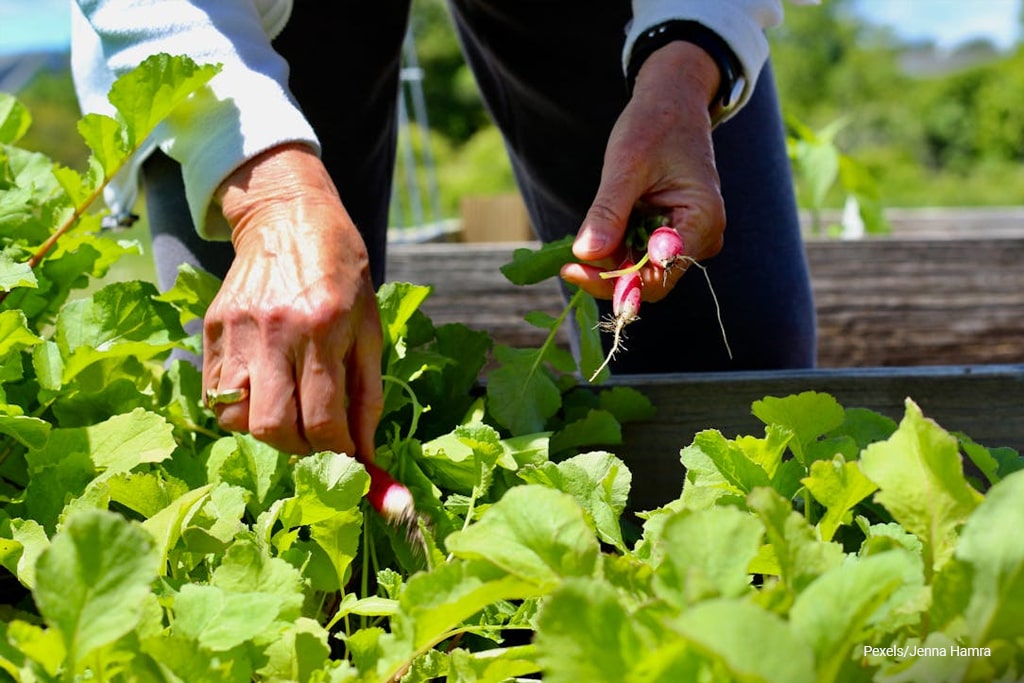
A healthy, thriving garden doesn’t come from chemicals! It comes from balance, biodiversity, and respect for nature. By embracing natural pest control methods, you protect your plants, pollinators, and soil, ensuring your garden flourishes season after season.
Start small: plant pest-repelling herbs, invite beneficial insects, and try a simple DIY spray. Over time, your garden will evolve into a resilient ecosystem where every creature, from bees to beetles, has a role to play.
Because when you garden with nature, not against it, the results are always greener, healthier, and more rewarding.