- Aloe Vera – Hydrates and soothes irritated scalps
- Argan Oil – Restores elasticity and shine
- Coconut Oil – Reduces protein loss in hair strands
- Tea Tree Oil – Supports scalp clarity
- Rosemary Extract – Encourages circulation and hair strength
- Waterless concentrates
- Biodegradable packaging materials
- Carbon-labeled personal care products
- Regenerative agriculture partnerships
- Closed-loop refill systems
Haircare has evolved beyond aesthetics. Today, consumers are questioning ingredient safety, environmental impact, and long-term scalp health. Organic haircare answers these concerns by combining performance with sustainability. Instead of relying on synthetic detergents, silicones, and artificial fragrances, organic formulations prioritize plant-based, biodegradable ingredients that support both healthy hair and eco-friendly living.
Conventional shampoos and conditioners often contain sulfates, parabens, and petrochemical-derived compounds designed for lather, preservation, or texture enhancement. While effective in the short term, these ingredients can disrupt the scalp’s natural barrier, contribute to product buildup, and increase aquatic pollution after rinsing. Organic haircare shifts the focus from temporary cosmetic results to long-term hair integrity and sustainable formulation.
In 2026, sustainability is central to personal care decisions. Consumers want products that are safe for their bodies and responsible toward the planet. Organic haircare meets both expectations.
What Makes Haircare “Organic”?
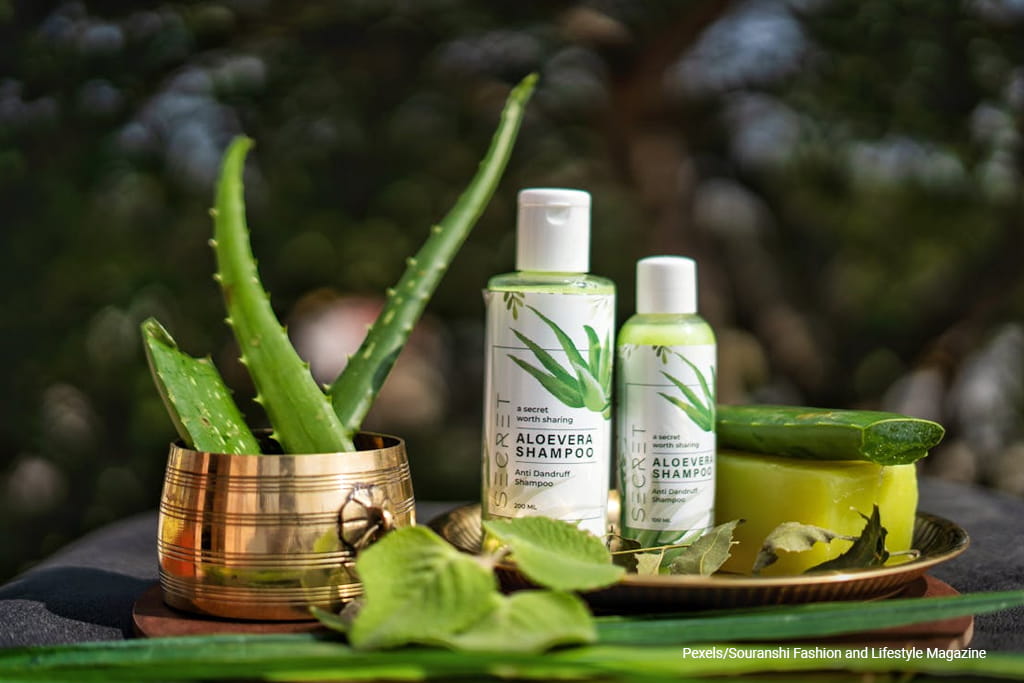
Organic haircare products are formulated with ingredients grown without synthetic pesticides, genetically modified organisms (GMOs), or harmful chemical fertilizers. Certification from organizations such as USDA Organic helps verify compliance with strict agricultural and processing standards.
However, organic labeling alone does not guarantee complete sustainability. True eco-friendly haircare also considers packaging, water usage, carbon emissions, and ethical sourcing practices. The most sustainable brands integrate these factors into their product lifecycle assessments.
Scalp Health: The Foundation of Strong Hair
Healthy hair begins at the scalp. Harsh surfactants like sodium lauryl sulfate can strip natural oils, leading to dryness, irritation, or rebound oil production. Organic shampoos typically use milder plant-derived cleansers that cleanse without compromising barrier function.
Ingredients such as aloe vera, chamomile extract, and coconut-derived cleansers help maintain moisture balance while reducing inflammation. A balanced scalp microbiome supports optimal hair growth cycles and reduces flaking or sensitivity.
By preserving natural oils rather than aggressively removing them, organic haircare promotes resilience rather than dependency on conditioning agents.
The Problem with Synthetic Buildup
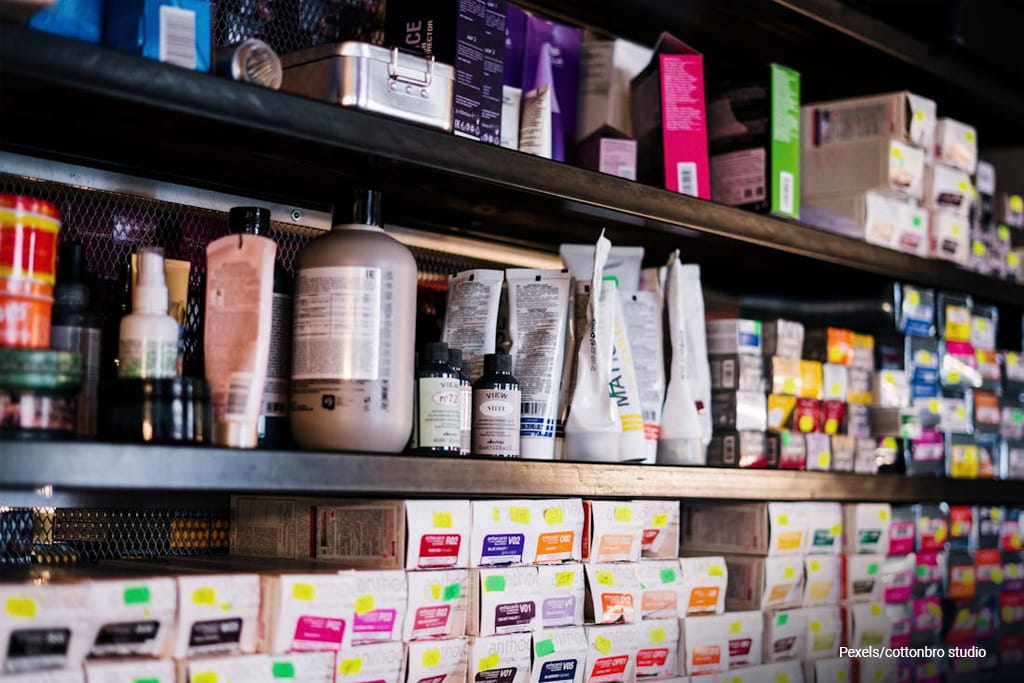
Many commercial conditioners rely on silicones to create temporary smoothness and shine. While this produces immediate cosmetic appeal, silicones can accumulate over time, requiring stronger detergents for removal. This cycle increases product usage and environmental runoff.
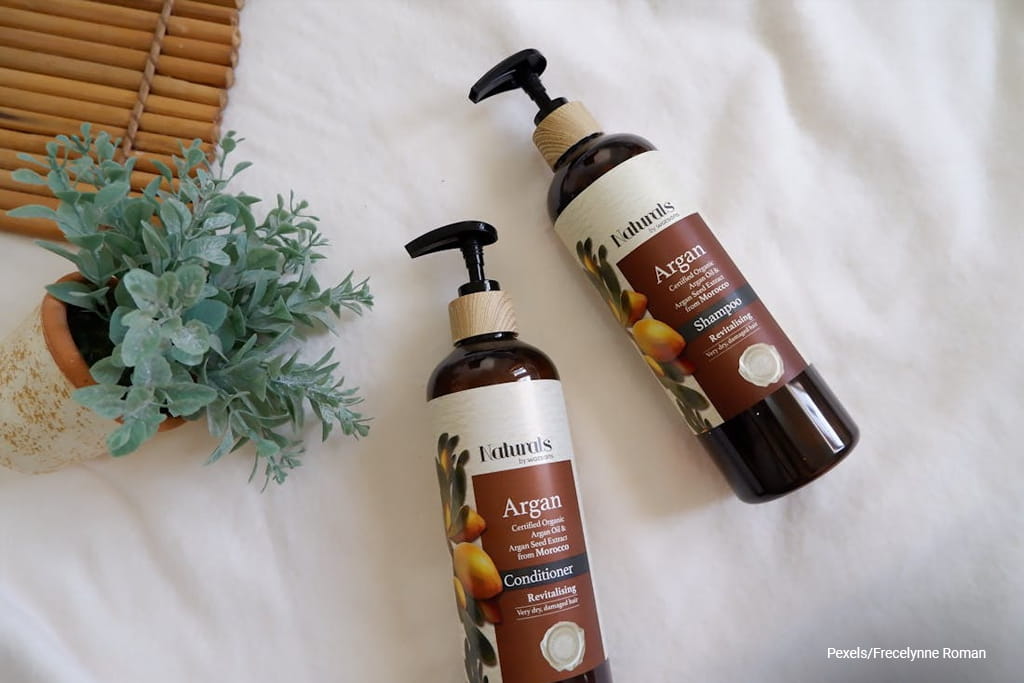
Organic haircare avoids heavy synthetic coatings, instead using botanical oils like argan, jojoba, and shea butter. These ingredients penetrate the hair shaft more effectively and biodegrade more safely in water systems.
Reducing synthetic buildup benefits not only your hair texture but also aquatic ecosystems affected by wastewater discharge.
Environmental Advantages of Organic Haircare
Sustainability in haircare extends beyond ingredients. Organic farming methods reduce soil degradation, protect pollinators, and limit groundwater contamination. By avoiding synthetic pesticides and fertilizers, organic agriculture supports biodiversity and regenerative land use.
Additionally, many eco-friendly brands package their products in recyclable aluminum, glass, or refillable systems. Solid shampoo bars further reduce plastic waste and transportation emissions by eliminating excess water weight.
When millions of consumers adopt sustainable haircare habits, cumulative environmental impact becomes significant.
Key Natural Ingredients & Their Benefits
Organic haircare formulations often include:
These ingredients work synergistically to strengthen hair fibers while supporting scalp equilibrium.
Performance Without Compromise
A common misconception is that sustainable or organic haircare underperforms compared to conventional products. Advances in green chemistry have closed that gap. Plant-based surfactants now provide effective cleansing, and natural conditioning systems deliver smoothness without silicone accumulation.
Transition periods may occur as hair adjusts to reduced synthetic buildup. However, many users report improved volume, reduced breakage, and enhanced natural texture after consistent use.
Eco-friendly performance is no longer aspirational—it is achievable.
Organic Haircare vs. Conventional Haircare
| Criteria | Organic Haircare | Conventional Haircare |
|---|---|---|
| Ingredient Source | Plant-based, organically grown | Often petrochemical-derived |
| Environmental Impact | Lower pesticide & runoff pollution | Higher chemical discharge |
| Scalp Compatibility | Gentle, barrier-supportive | May cause dryness or irritation |
| Biodegradability | Higher | Lower |
| Packaging | Often recyclable or refillable | Predominantly plastic |
| Long-Term Hair Health | Strengthens naturally | Can create dependency cycle |
| Sustainability Alignment | Supports eco-friendly agriculture | Industrial-scale production focus |
Ethical & Sustainable Supply Chains
Beyond environmental considerations, many organic haircare brands incorporate fair trade sourcing and cruelty-free testing policies. Certifications from programs like Leaping Bunny ensure that products are not tested on animals.
Ethical sourcing reinforces community development and responsible labor practices. Sustainable beauty must protect both ecosystems and the people within them.
How to Transition to Organic Haircare

Switching does not require replacing every product at once. Begin by finishing current items to avoid waste. Introduce an organic shampoo or conditioner and monitor scalp response for several weeks.
Consider reducing wash frequency to preserve natural oils. Use microfiber towels or air-drying techniques to reduce heat damage and energy consumption. Sustainability thrives on gradual, consistent adjustments rather than abrupt overhauls.
The Future of Sustainable Haircare
Expect continued innovation in:
As regulations tighten around greenwashing, transparency and measurable sustainability metrics will become standard practice.
Final Thoughts
Organic haircare represents a strategic shift toward healthier hair and a healthier planet. By prioritizing natural ingredients, biodegradable formulas, and sustainable sourcing, you reduce environmental impact while strengthening your scalp and strands.
True beauty is not just visible—it is responsible. When you choose eco-friendly, sustainable haircare, you align daily self-care with long-term environmental stewardship.
Healthy hair should not come at the planet’s expense. Organic solutions prove that it doesn’t have to.