- Sustainable sourcing
- Eco-friendly packaging
- Ethical manufacturing
- Cruelty-free and low-waste practices
- Cleaner water systems
- Reduced plastic waste
- Lower carbon emissions
- Safer ecosystems
- A more sustainable lifestyle overall
- Potential hormone disruption
- Water pollution
- Long-lasting environmental impact
- Hormone interference
- Toxic to marine life
- Persistent environmental pollutants
- Contribute to ocean pollution
- Harm marine animals
- Enter the food chain
- Harm coral reefs
- Toxic to marine life
- Bioaccumulate in ecosystems
- Persist in the environment
- Build up in waterways
- Often derived from non-renewable resources
- Strip skin’s natural barrier
- Harm aquatic ecosystems
- Require energy-intensive processing
- Known carcinogens
- Harmful to indoor air quality
- Toxic to aquatic organisms
- Skin irritation and allergies
- Environmental pollution
- Lack of transparency
- Single-use plastic containers
- Mixed-material packaging that can’t be recycled
- Excessive outer packaging
- Pump dispensers that are difficult to recycle
- Glass, aluminum, or steel containers
- Refillable beauty packaging
- Minimalist packaging designs
- Brands offering take-back or refill programs
- Disclose full ingredient lists
- Use responsibly sourced ingredients
- Have third-party certifications (EcoCert, COSMOS, Leaping Bunny)
- Commit to carbon reduction or carbon neutrality
- Use renewable energy in manufacturing
- Offer refillable or recyclable packaging
- Use fewer products (simplify your routine)
- Finish products before buying new ones
- Choose multi-use makeup and skincare
- Support local and small-batch brands
- Recycle or reuse beauty containers
- DIY when possible (lip balms, masks, scrubs)
- Waterless beauty products
- Solid bars and concentrates
- Fully compostable packaging
- AI-powered ingredient transparency
- Localized ingredient sourcing
- Zero-waste beauty systems
The beauty industry is undergoing a major transformation. As consumers become more conscious of what they put on their skin and the impact those choices have on the planet, clean beauty has emerged as a powerful movement rooted in sustainability, transparency, and eco-friendly living.
But clean beauty isn’t just about using “natural” products. It’s about avoiding harmful ingredients, reducing environmental damage, supporting ethical production, and making choices that align with a sustainable lifestyle.
This guide breaks down what to avoid in skincare and makeup—and how to make more responsible, planet-friendly beauty choices.
What Is Clean Beauty?
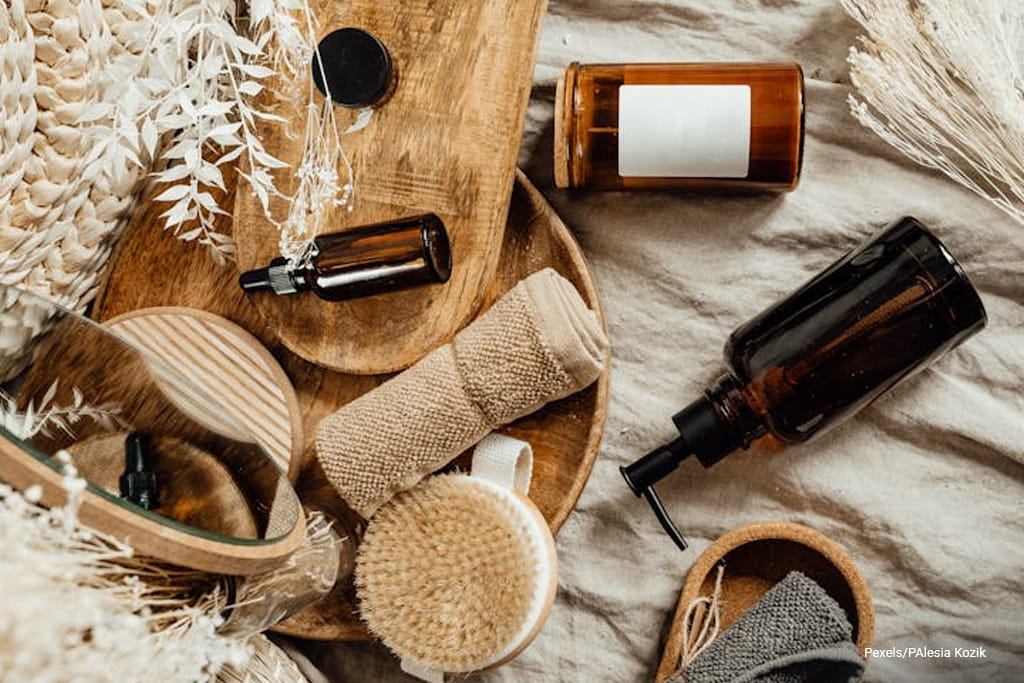
Clean beauty refers to skincare and makeup products formulated without ingredients that are harmful to human health or the environment. Clean beauty also prioritizes:
In essence, clean beauty connects personal care with environmental responsibility.
Why Clean Beauty Matters for Sustainability
Many conventional beauty products contain chemicals that pollute waterways, harm wildlife, and contribute to plastic waste. From microplastics in scrubs to toxic preservatives that persist in the environment, beauty routines can have a hidden ecological footprint.
Choosing clean beauty supports:
Ingredients to Avoid in Skincare and Makeup
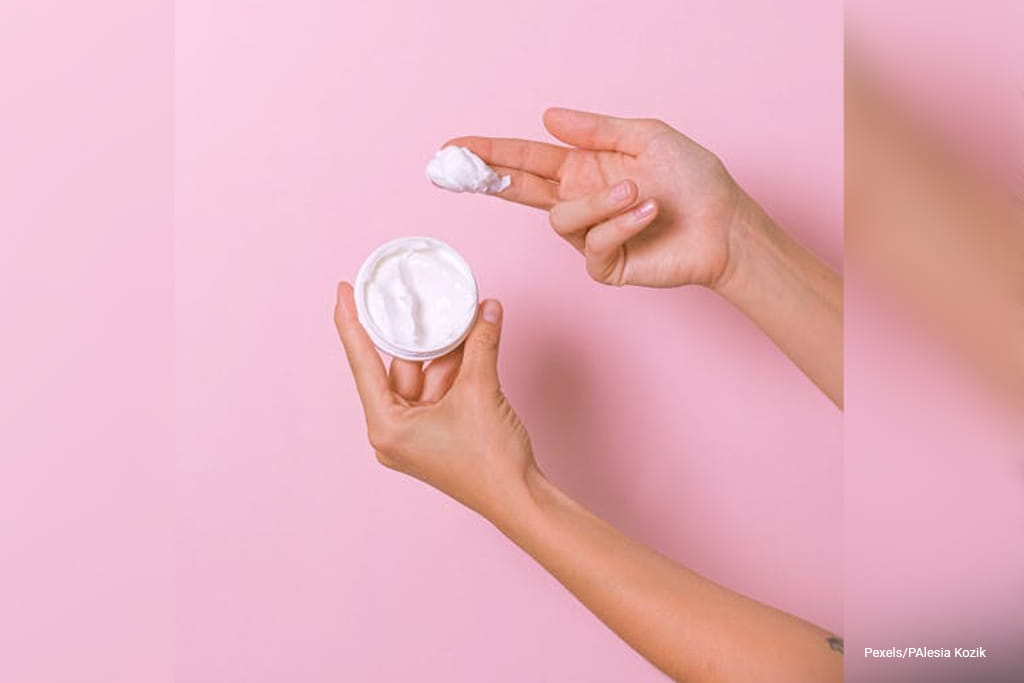
1. Parabens
Parabens are preservatives commonly used in skincare and makeup to extend shelf life. They are known endocrine disruptors and can harm aquatic life when washed down the drain.
Why avoid them:
2. Phthalates
Often hidden under the term “fragrance,” phthalates are used to make scents last longer.
Why avoid them:
Look for fragrance-free or transparently scented clean beauty products.
3. Microplastics and Plastic Polymers
Microplastics are used in exfoliating scrubs, foundations, and even toothpaste. Once they enter waterways, they never fully break down.
Why avoid them:
Common names to watch for: polyethylene (PE), polypropylene (PP), nylon-12, acrylates copolymer.
4. Chemical Sunscreens (Oxybenzone & Octinoxate)
These chemicals are known to cause coral reef bleaching and marine ecosystem damage.
Why avoid them:
Choose mineral sunscreens with zinc oxide or titanium dioxide (non-nano) instead.
5. Silicones (Dimethicone, Cyclopentasiloxane)
Silicones make products feel smooth but are not biodegradable.
Why avoid them:
Clean beauty alternatives use plant-based oils and waxes instead.
6. Sulfates (SLS & SLES)
Sulfates are harsh cleansing agents found in face washes, shampoos, and cleansers.
Why avoid them:
7. Formaldehyde-Releasing Preservatives
These preservatives release small amounts of formaldehyde over time and are found in some makeup and skincare products.
Why avoid them:
8. Synthetic Fragrances
Synthetic fragrances can contain hundreds of undisclosed chemicals, many of which are not biodegradable.
Why avoid them:
Packaging to Avoid for Eco-Friendly Living
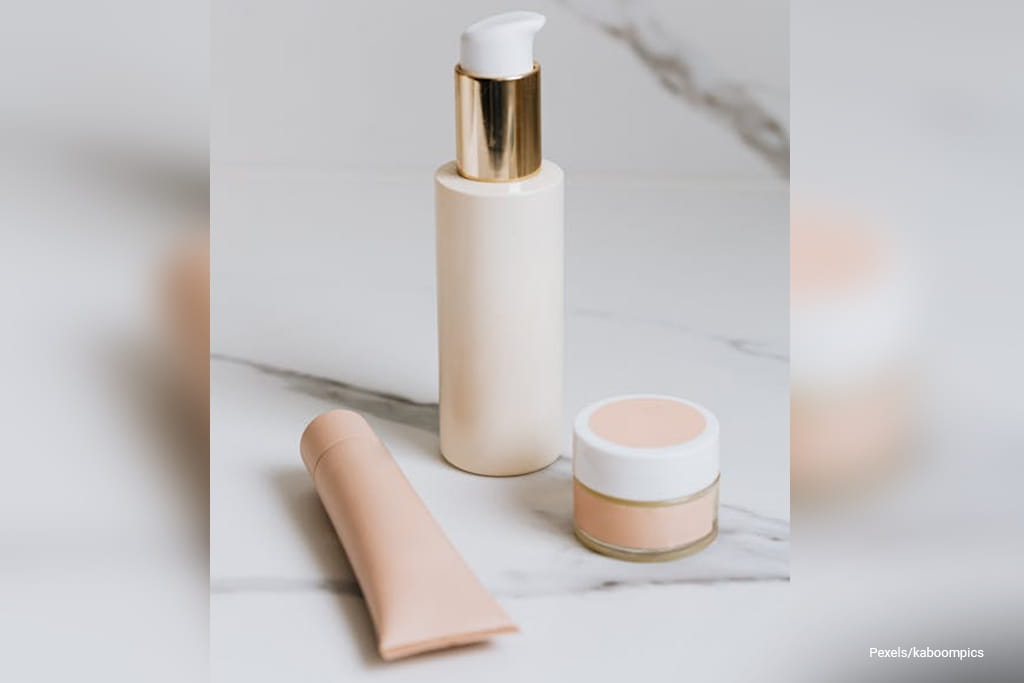
Clean beauty isn’t only about ingredients, it’s also about packaging.
Avoid:
Choose:
How to Choose Truly Sustainable Beauty Brands
Not all “clean” labels mean sustainable. Look for brands that:
Transparency is key to a truly sustainable lifestyle.
Clean Beauty Habits for a Sustainable Lifestyle
Small daily habits make a big difference:
Sustainability is about progress, not perfection.
The Future of Clean Beauty
The clean beauty movement is evolving rapidly. Future trends include:
These innovations are making clean beauty more accessible and impactful.
Conclusion: Beauty That’s Better for You and the Planet
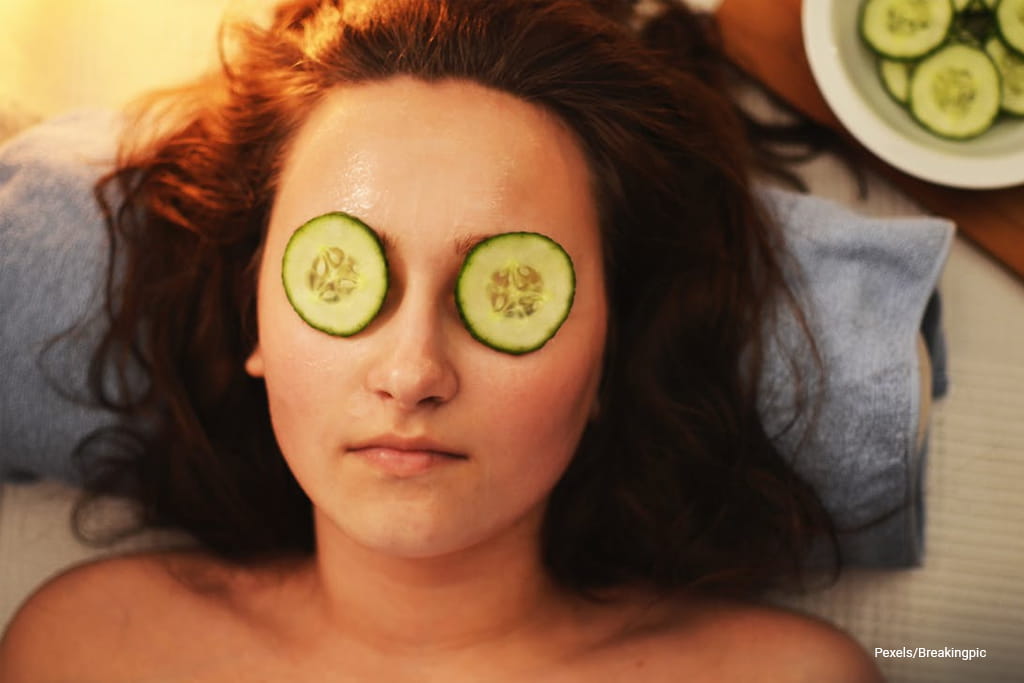
Clean beauty is more than a trend—it’s a lifestyle choice that reflects care for both personal health and the environment. By avoiding harmful ingredients, reducing waste, and supporting ethical brands, you align your beauty routine with eco-friendly living and a sustainable lifestyle.
Every product you choose is a vote for the kind of world you want to live in—make it a cleaner, greener one.