
- Earth Care – Protect and restore the natural environment.
- People Care – Meet human needs in sustainable, community-driven ways.
- Fair Share – Use resources responsibly and share the surplus.
- Low Maintenance: Once established, a permaculture garden largely takes care of itself.
- Efficient Resource Use: Minimizes waste, water use, and energy consumption.
- Biodiversity: Attracts pollinators and beneficial wildlife.
- Healthy Soil: Builds fertility naturally through composting and mulching.
- Sustainability: Promotes long-term ecological balance and self-reliance.
- Collect rainwater in barrels.
- Compost organic waste to create nutrient-rich soil.
- Use solar lighting or panels for garden power.
- Use bamboo or reclaimed wood for garden structures.
- Choose organic fertilizers over chemical ones.
- Reuse graywater for irrigation.
- Compost kitchen scraps and garden waste.
- Reuse containers and materials.
- Feed leftovers to chickens or worms if you have them.
- Interplant herbs and flowers among vegetables to deter pests.
- Combine trees, shrubs, and ground covers to create layered ecosystems.
- Grow a variety of plants, including perennials, annuals, and natives.
- Encourage beneficial insects by planting pollinator-friendly flowers.
- Create borders with flowering herbs or low shrubs.
- Use fence lines and walkways for vertical gardening.
- Zone 1: Closest to the home – herbs, salad greens, and daily-use plants.
- Zone 2: Fruits, larger vegetables, and compost bins.
- Zone 3: Main crops or orchards.
- Zone 4: Managed woodland or forage area.
- Zone 5: Wild, untouched nature for observation and biodiversity.
- Use swales or shallow trenches to slow water runoff.
- Mulch heavily to retain moisture.
- Redirect greywater from your home to irrigate trees and shrubs.
- Canopy layer: Fruit trees or tall plants.
- Understory: Shrubs or smaller fruit bushes.
- Herb layer: Vegetables and herbs.
- Ground cover: Low plants that protect soil.
- Root layer: Tubers and bulbs.
- Climbers: Beans, peas, or vines.
- Bees and Butterflies: Pollinate plants.
- Birds: Eat pests and spread seeds.
- Frogs and Lizards: Control insect populations.
- Rotate crops naturally.
- Add organic matter each season.
- Save seeds from your healthiest plants.
- Observe and adjust continuously.
In a world where climate change, soil degradation, and food insecurity are growing concerns, more people are turning to permaculture gardening — a sustainable approach that works with nature instead of against it. Whether you have a large backyard or a small urban garden, permaculture principles can help you create a self-sustaining ecosystem that nurtures both the planet and your well-being.
This guide will walk you through the fundamentals of permaculture and how to apply its timeless wisdom to build a thriving, low-maintenance garden that regenerates itself year after year.
What Is Permaculture?
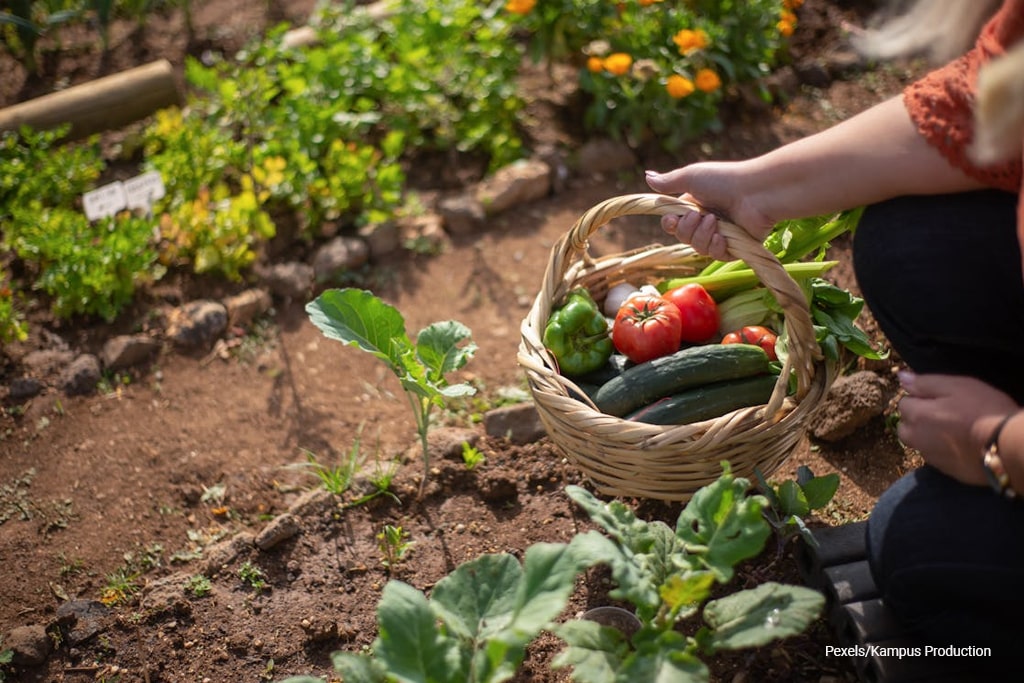
Permaculture is short for “permanent agriculture,” a design philosophy developed in the 1970s by Bill Mollison and David Holmgren. It mimics natural ecosystems — where every element supports and sustains the others — to create balanced, regenerative systems.
At its core, permaculture is based on three ethics:
By following these principles, you can cultivate a garden that’s productive, resilient, and harmonious — not just with you, but with nature itself.
Why Choose Permaculture Gardening?
Permaculture isn’t just a gardening technique — it’s a mindset. It encourages you to observe, plan, and interact with your environment thoughtfully. Here’s why it’s worth adopting:
It’s not just about growing food — it’s about designing a living ecosystem that feeds, heals, and regenerates itself.
The 12 Core Principles of Permaculture
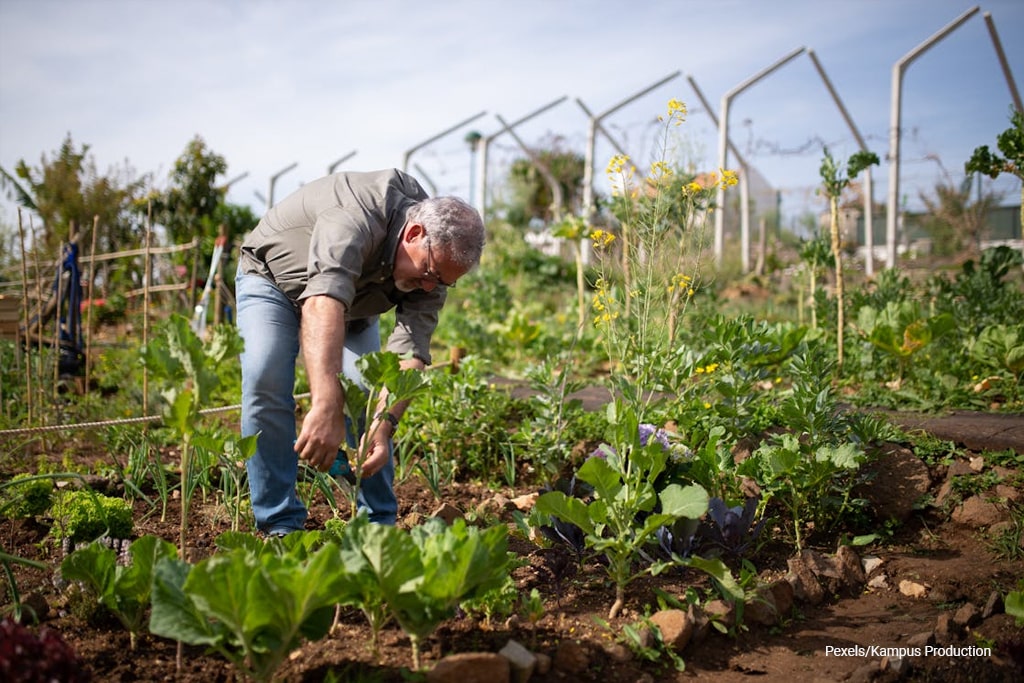
Let’s explore the 12 guiding principles of permaculture and how you can apply them to your garden.
1. Observe and Interact
Spend time watching how your garden behaves before making changes. Notice where the sun hits, how water flows, and what thrives naturally. The more you observe, the better your design decisions will be.
Example: Notice that one corner stays shaded? Perfect for leafy greens or ferns.
2. Catch and Store Energy
Nature provides free energy in many forms — sunlight, water, and wind. Capture and use it wisely.
How to apply:
3. Obtain a Yield
Every system should produce something useful — food, herbs, beauty, or relaxation.
How to apply:
Grow fruits, vegetables, and herbs that feed your household, while also planting flowers that nourish pollinators.
4. Apply Self-Regulation and Accept Feedback
Pay attention to what works and what doesn’t. Nature gives clues — if a plant is struggling, it might not belong in that spot.
Example: Instead of fighting to grow water-thirsty plants, switch to native or drought-tolerant species.
5. Use and Value Renewable Resources
Choose materials and methods that regenerate instead of deplete.
How to apply:
6. Produce No Waste
In nature, nothing is wasted — every output becomes an input for something else.
How to apply:
7. Design from Patterns to Details
Look at the big picture first — how your space connects and flows — before focusing on small details.
Example: Notice natural wind or sunlight patterns, then plan paths, beds, and shade zones accordingly.
8. Integrate Rather Than Segregate
Everything in your garden should work together to support the whole system.
How to apply:
9. Use Small and Slow Solutions
Start small, observe results, and expand gradually. Small systems are easier to manage and adapt.
Example: Begin with a single raised bed or compost bin, then build from there.
10. Use and Value Diversity
Diversity equals resilience. A mix of species protects your garden from pests and disease.
How to apply:
11. Use Edges and Value the Marginal
The most productive areas in nature are often at the edges — where two environments meet (like forest and meadow).
How to apply:
12. Creatively Use and Respond to Change
Gardens evolve — weather, seasons, and ecosystems shift. Adapt and innovate as nature does.
Example: Switch to drought-tolerant plants during dry seasons or add mulch layers during heavy rains.
Designing Your Permaculture Garden
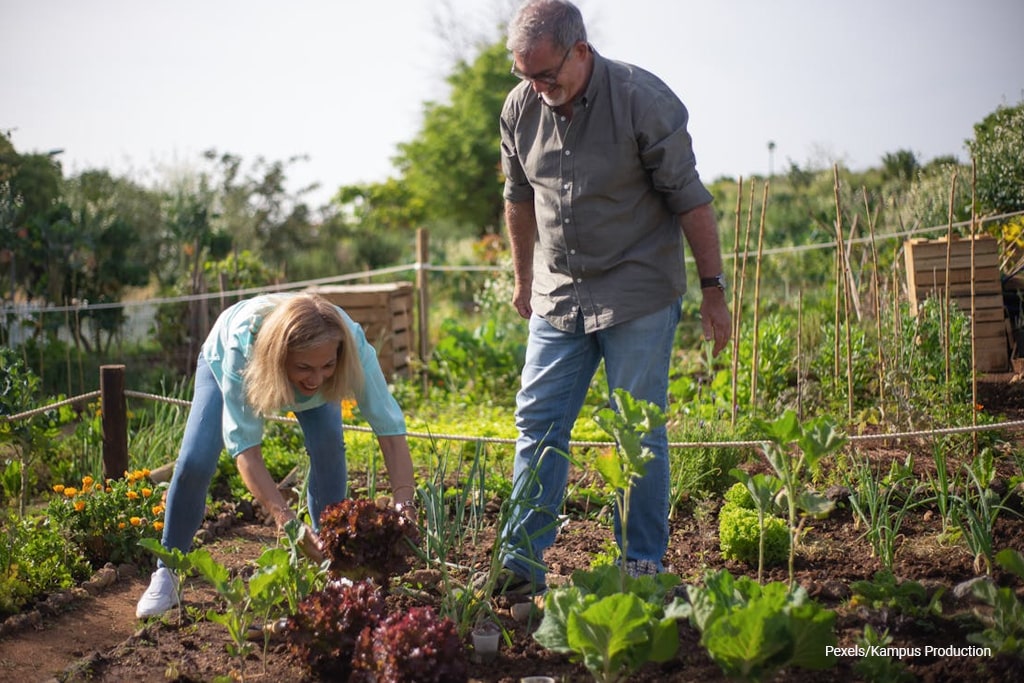
Here’s how to bring these principles together into a cohesive design:
1. Start with Zones
Permaculture gardens often use zones to organize activities efficiently:
2. Build Healthy Soil
Healthy soil is the foundation of a self-sustaining garden. Use compost, leaf mulch, and natural fertilizers to feed the earth.
3. Capture Water Naturally
Design your garden to harvest rainwater and prevent erosion:
4. Plant in Layers
Mimic forest structure:
This creates a resilient, self-feeding mini-ecosystem.
The Role of Wildlife in Permaculture
A truly sustainable garden welcomes birds, bees, and beneficial insects.
Provide habitats — bird baths, small ponds, insect hotels — to encourage biodiversity.
Long-Term Sustainability
A self-sustaining garden is a living system. With time, it becomes more fertile and resilient with less intervention.
To keep it thriving:
Creating A Self-Sustaining Garden
Permaculture isn’t just about growing plants — it’s about cultivating balance, abundance, and harmony. By applying its principles, you can create a self-sustaining garden that provides food, beauty, and healing while supporting the environment.
Start small, observe often, and trust nature’s wisdom. In time, your garden will become a thriving ecosystem — one that nourishes your body, mind, and the planet.