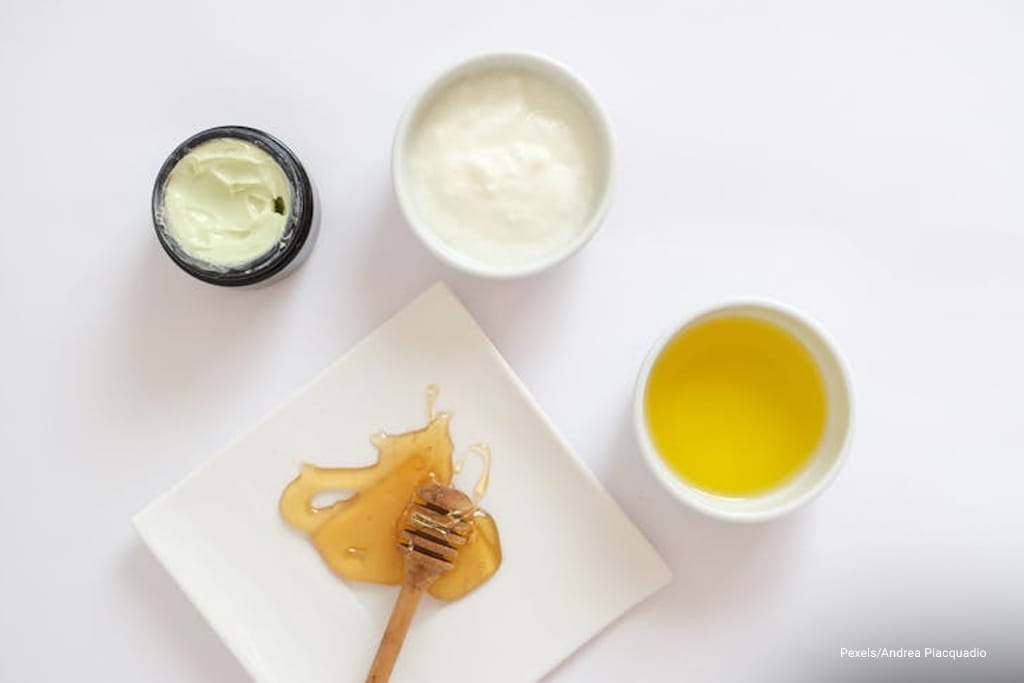
- Raw honey (antibacterial and humectant)
- Oatmeal (soothing and anti-inflammatory)
- Aloe vera gel (hydrating and calming)
- Coconut oil (occlusive moisturizer for dry skin)
- Green tea (antioxidant-rich toner base)
- Yogurt (mild lactic acid exfoliation)
- 1 tablespoon finely ground oats
- 1 teaspoon raw honey
- 1–2 teaspoons warm water
- 1 cup brewed green tea (cooled)
- Optional: 1 teaspoon aloe vera gel
- 1 tablespoon plain yogurt
- A small pinch of turmeric
- Reduce single-use packaging
- Lower carbon footprint
- Increase ingredient transparency
- Minimize exposure to synthetic additives
- Encourage mindful consumption
The modern beauty industry offers thousands of products promising flawless skin, yet many contain synthetic additives, excessive preservatives, and single-use plastic packaging. For individuals seeking sustainability and ingredient transparency, DIY natural skincare presents a compelling alternative.
Creating homemade treatments allows you to control what touches your skin while reducing environmental impact. By using whole, minimally processed ingredients—many already in your kitchen—you eliminate unnecessary chemicals, decrease packaging waste, and adopt a more eco-friendly beauty routine.
DIY skincare is not about rejecting science. It is about simplifying formulations, prioritizing skin barrier health, and aligning personal care habits with sustainable living principles.
Why DIY Skincare Supports Sustainability
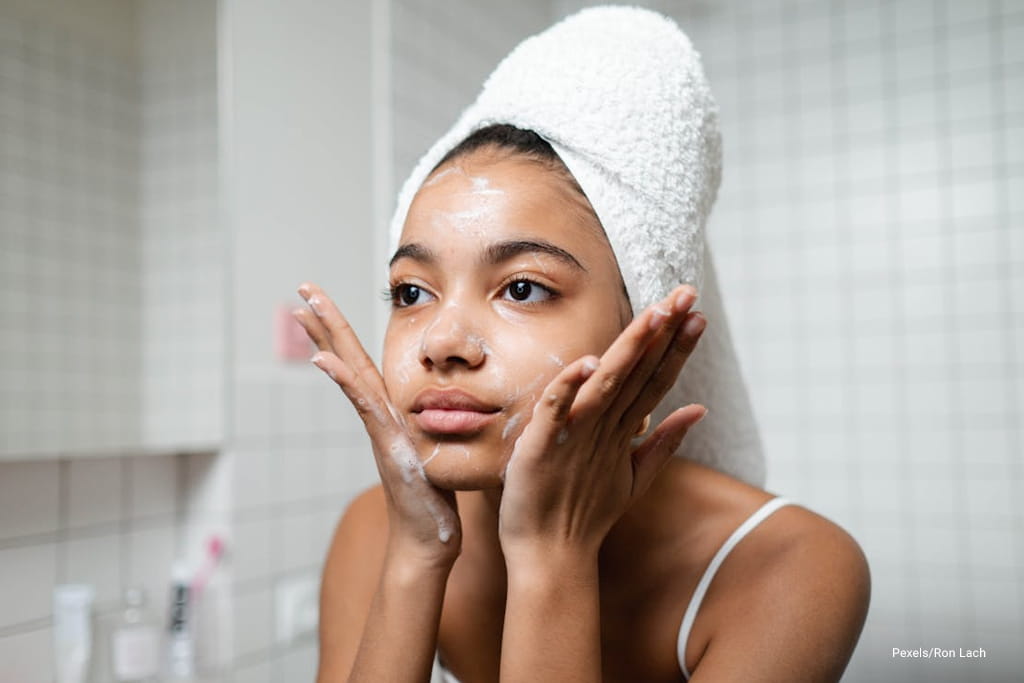
Commercial skincare often involves complex global supply chains, resource-intensive manufacturing, and multilayer packaging. Each serum or cleanser carries a lifecycle footprint—from raw material extraction to transportation and disposal.
Homemade skincare reduces this footprint in several ways. First, it minimizes packaging waste. Second, it shortens the supply chain by relying on locally sourced or pantry-based ingredients. Third, it discourages overconsumption by promoting small-batch preparation tailored to immediate use.
Sustainability begins with mindful production and consumption. DIY skincare embodies both.
Understanding Your Skin Before You Begin
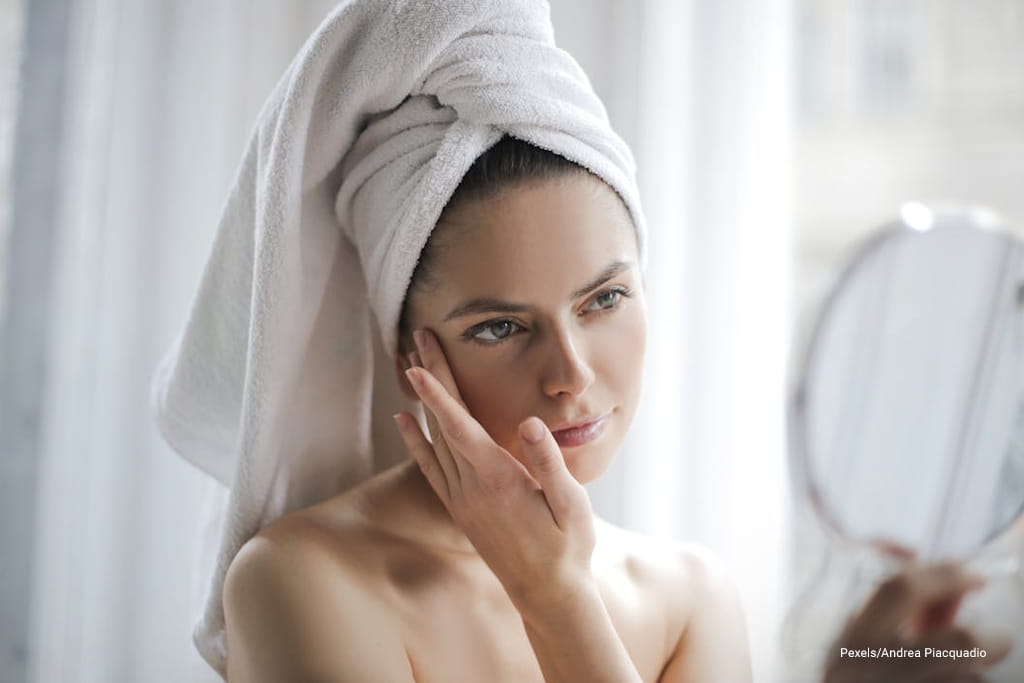
Healthy skin depends on three core factors: barrier integrity, hydration balance, and inflammation control. Before applying any homemade treatment, identify your skin type—dry, oily, combination, or sensitive.
Patch testing is essential. Even natural ingredients can trigger irritation or allergic reactions. Apply a small amount to the inner forearm and wait 24 hours before facial use.
Natural does not automatically mean gentle. Responsible DIY skincare prioritizes safety, hygiene, and appropriate dilution.
Core Eco-Friendly Ingredients for DIY Skincare
A sustainable beauty routine benefits from multipurpose ingredients with low environmental impact:
Whenever possible, choose organic or responsibly sourced options certified by organizations such as USDA Organic to strengthen sustainability standards.
Easy Homemade Treatments for Healthy Skin
Below are practical, beginner-friendly recipes designed for simplicity and effectiveness.
1. Soothing Oat & Honey Face Mask
This mask supports hydration and reduces inflammation, making it ideal for sensitive or dry skin.
Ingredients:
Instructions:
Mix into a paste. Apply to clean skin for 10–15 minutes. Rinse with lukewarm water and pat dry.
Oats contain beta-glucans that reinforce the skin barrier, while honey draws moisture into the skin. The formulation is biodegradable and eco-friendly.
2. Green Tea Antioxidant Toner
Environmental stressors accelerate oxidative damage. Green tea provides polyphenols that help neutralize free radicals.
Ingredients:
Store in a glass bottle in the refrigerator for up to 5 days. Apply with reusable cotton pads to minimize waste.
This toner replaces alcohol-heavy commercial products and supports sustainable skincare habits.
3. Gentle Yogurt & Turmeric Brightening Mask
Lactic acid in yogurt promotes mild exfoliation, while turmeric contains anti-inflammatory compounds.
Ingredients:
Apply for 10 minutes and rinse thoroughly. Use sparingly to avoid staining.
Short-contact exfoliation improves skin texture without microplastic scrubs, making this an eco-friendly alternative.
3. Gentle Yogurt & Turmeric Brightening Mask
Pure aloe vera gel can function as a lightweight moisturizer for oily or acne-prone skin.
Apply a thin layer to damp skin to lock in hydration. For sustainability, harvest from a home-grown aloe plant when possible to reduce packaging and transport emissions.
5. Coconut Oil Lip Balm
Melt 1 tablespoon coconut oil and allow it to solidify in a small reusable tin. This minimalist formulation eliminates petroleum-based balms and plastic tubes.
Hygiene & Storage Best Practices
DIY skincare lacks synthetic preservatives, so proper storage is essential. Use sterilized glass containers, prepare small batches, and refrigerate water-based formulas. Discard any mixture that changes in smell, texture, or color.
Sustainable skincare requires responsible preparation. Avoid contamination to protect both skin health and environmental goals.
Benefits of DIY Natural Skincare
Adopting homemade treatments can:
Beyond environmental impact, DIY skincare fosters a deeper understanding of your skin’s needs, reinforcing sustainable self-care practices.
DIY Skincare vs. Commercial Products
| Criteria | DIY Natural Skincare | Conventional Commercial Skincare |
|---|---|---|
| Packaging | Minimal, reusable containers | High plastic and mixed materials |
| Ingredient Transparency | Fully controlled by user | Often proprietary blends |
| Shelf Life | Short, small batches | Extended with preservatives |
| Environmental Impact | Lower production footprint | Industrial manufacturing impact |
| Cost | Typically lower per batch | Variable, often premium pricing |
| Customization | Highly adaptable | Fixed formulation |
| Waste Generation | Reduced when used fresh | Higher due to disposables |
When DIY Is Not Enough
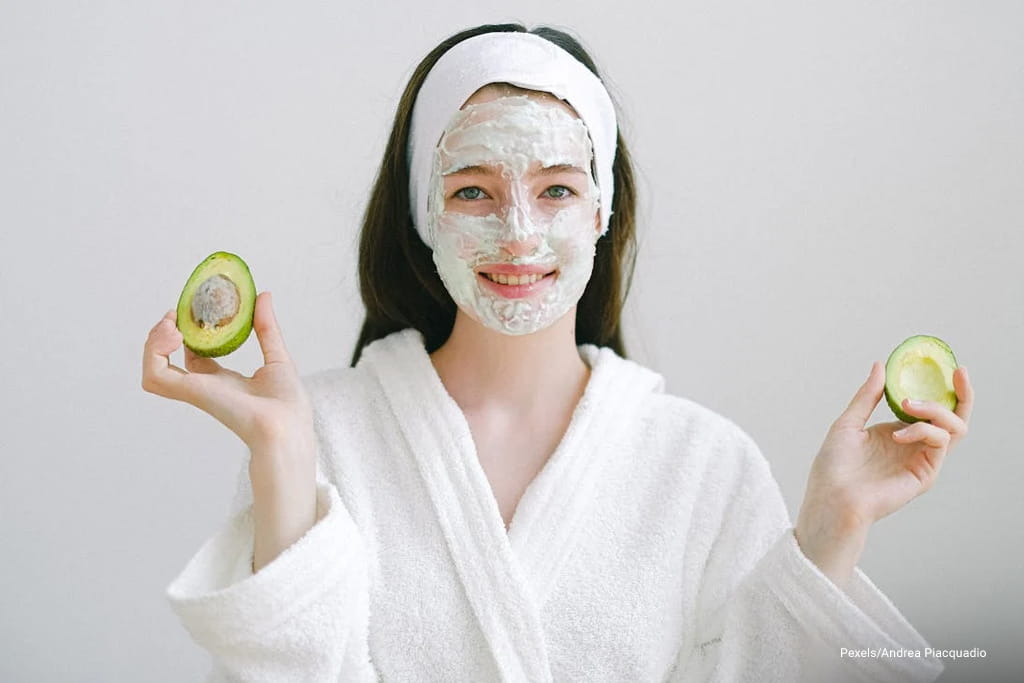
While DIY treatments support sustainability, certain skin conditions such as cystic acne, rosacea, or severe hyperpigmentation, may require dermatologist-formulated products. Sustainable living includes informed decision-making and professional guidance when necessary.
You can combine minimal commercial essentials with homemade treatments for a balanced, eco-friendly routine.
Final Thoughts
DIY natural skincare is more than a trend. It is a practical extension of sustainable living. By simplifying formulations, reducing packaging waste, and prioritizing eco-friendly ingredients, you transform daily self-care into a sustainability practice.
Healthy skin does not require complicated chemistry. Often, the most effective solutions are simple, fresh, and responsibly sourced. When you create your own treatments, you reduce environmental impact while strengthening your connection to what you use.
Sustainability begins with small, consistent choices. Your skincare routine is one of them.