- Expanding regenerative organic cotton programs
- Scaling circular resale via Worn Wear
- Transparent supply chain reporting
- Profits directed toward climate action initiatives
- Carbon footprint labeling on every product
- Low-emission materials like SweetFoam® (sugarcane-based EVA)
- Commitment to net-zero carbon
- Take-back programs to extend garment life
- Recommerce and upcycled collections
- Responsible wool and organic linen sourcing
- Electric vehicle (EV) adoption at scale
- Battery storage for renewable energy
- Solar and grid integration technologies
- Lower greenhouse gas emissions compared to conventional beef
- Reduced water and land use
- Expansion into global markets
- Community Fair Trade sourcing
- Refillable packaging systems
- Advocacy for biodiversity protection
- Carbon-negative carpet tiles
- Recycled fishing net materials
- Aggressive emissions reduction targets
- Encourages industry-wide sustainable innovation
- Signals demand for responsible sourcing
- Reduces environmental footprint
- Supports fair labor ecosystems
- Accelerates climate action
- Are sustainability reports publicly accessible?
- Are goals time-bound and measurable?
- Is there third-party verification?
- Does the company disclose Scope 1, 2, and 3 emissions?
- Are products designed for durability and repairability?
Sustainability is no longer a marketing angle, it is a competitive advantage, regulatory necessity, and consumer expectation. In 2026, ethical brands are not just minimizing harm; they are redesigning business models around circularity, transparency, and measurable environmental impact.
Consumers are increasingly scrutinizing green claims, demanding lifecycle accountability, carbon disclosure, and ethical sourcing. Investors are prioritizing ESG performance. Governments are tightening climate regulations. Against this backdrop, the following sustainable and eco-friendly brands stand out for credibility, innovation, and long-term commitment.
Below are ethical brands to watch in 2026, companies that integrate sustainability into their operational DNA.
Top Sustainable and Ethical Brands
1. Patagonia

Few brands have embedded sustainability as deeply as Patagonia. Known for its environmental activism and repair-first model, the company continues to push boundaries in 2026.
Why it’s a sustainable leader:
Patagonia demonstrates that profitability and environmental responsibility are not mutually exclusive. Its shift toward regenerative agriculture reduces soil degradation and carbon emissions, core pillars of sustainable production.
2. Allbirds
Allbirds has evolved from a “natural materials” sneaker company into a carbon-accounting innovator.
Sustainability strengths:
In 2026, Allbirds continues refining lifecycle analysis transparency. For eco-conscious consumers, quantifiable sustainability metrics build trust beyond vague eco-friendly claims.
3. Eileen Fisher
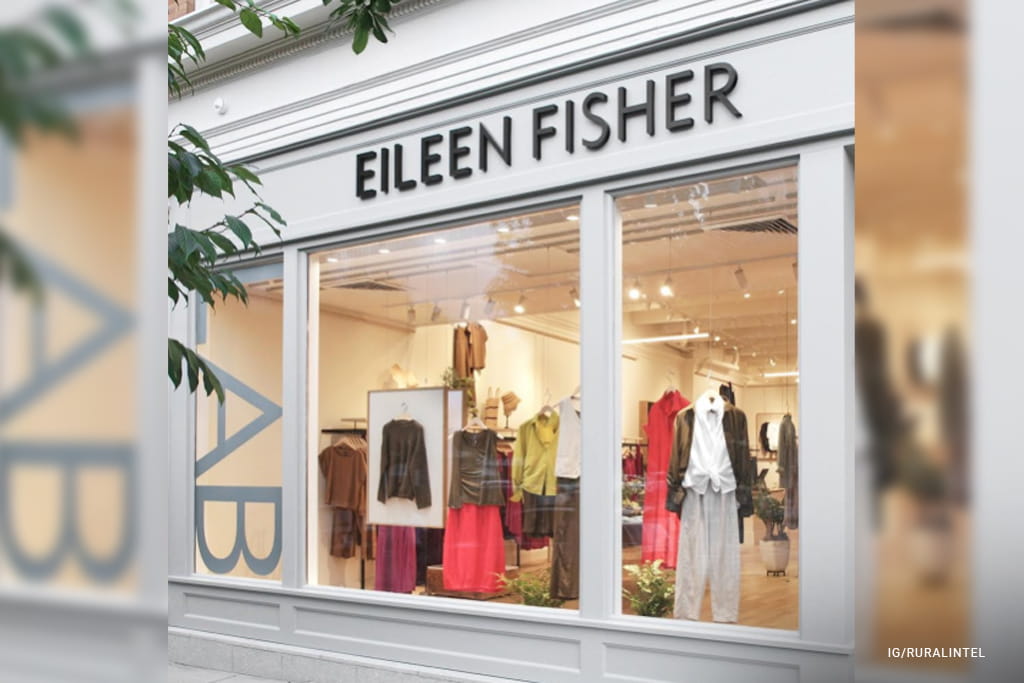
Eileen Fisher has long championed circular fashion and ethical labor practices.
Key sustainable initiatives:
In an industry known for waste, Eileen Fisher’s circular systems reduce landfill contributions while preserving material value.
4. Tesla

While often associated with innovation rather than ethics, Tesla remains central to the global shift toward sustainable mobility.
Eco-friendly impact areas:
Despite scrutiny over sourcing and governance, Tesla’s contribution to decarbonizing transportation keeps it on sustainability watchlists in 2026.
5. Beyond Meat
Plant-based proteins remain a cornerstone of sustainable food systems.
Why Beyond Meat matters:
As climate policies tighten, sustainable protein alternatives become essential to reducing agricultural emissions.
6. The Body Shop
The Body Shop continues its legacy of cruelty-free and ethically sourced beauty products.
Sustainability highlights:
Consumers increasingly demand eco-friendly cosmetics with traceable supply chains—an area where The Body Shop excels.
7. Interface
Interface is a sustainability case study in industrial transformation.
Environmental leadership:
The company’s Climate Take Back™ initiative sets a benchmark for corporate sustainability strategy in manufacturing.
What Makes a Brand Truly Sustainable in 2026?

Not every “green” label signals genuine sustainability. Ethical brands share several core attributes:
1. Radical Transparency
Public carbon disclosures, supplier audits, and measurable sustainability targets.
2. Circular Design
Products engineered for reuse, repair, or recycling.
3. Ethical Labor Practices
Fair wages, safe working conditions, and supplier accountability.
4. Science-Based Climate Commitments
Alignment with emissions reduction frameworks consistent with global climate goals.
5. Lifecycle Accountability
Assessment from raw material extraction to end-of-life disposal.
Why Supporting Sustainable Brands Matters
Purchasing from ethical and eco-friendly companies creates downstream effects:
Market demand is one of the most powerful levers for change. When consumers choose sustainable brands, they influence supply chains and capital allocation.
How to Evaluate Sustainability Claims
To avoid greenwashing in 2026, consider:
Ethical consumption requires informed decision-making, not just trust in marketing.
Final Thoughts

The most important shift in 2026 is this: sustainability is no longer niche, it is structural.
Ethical brands are redesigning materials, logistics, governance, and profit allocation to align with environmental limits. Companies that embed sustainability into their operational core will outperform those that treat it as branding.
As climate pressures intensify and consumer expectations evolve, eco-friendly and sustainable brands will define the next era of commerce.
The question is no longer whether sustainability matters.
It is which brands are building the future responsibly and which are being left behind.