- Respect for the environment
- Mindful consumption
- Reducing waste and pollution
- Caring for animals and natural habitats
- Understanding the impact of everyday choices
- Builds empathy for nature and animals
- Encourages creativity and problem-solving
- Reduces waste at home
- Helps kids appreciate resources like food and water
- Promotes healthier lifestyles
- Strengthens family values and shared purpose
- Turning off lights and electronics when not in use
- Bringing reusable water bottles and lunch containers
- Sorting recyclables
- Using both sides of paper for drawing or schoolwork
- Taking shorter showers
- Bringing reusable shopping bags
- Create a home recycling station with labeled bins
- Turn old clothes into craft materials or rags
- Upcycle jars into pencil holders or planters
- Shop secondhand toys and books
- Donate items they’ve outgrown
- Grow easy veggies like tomatoes, okra, or lettuce
- Plant herbs in small containers
- Make a butterfly-friendly flower bed
- Explore parks and nature trails
- Create a tiny wildlife corner with bird feeders or rocks for insects
- Choose wooden or fabric toys over plastic
- Offer open-ended items like blocks, puzzles, and art supplies
- Use natural items—stones, leaves, sand—for sensory play
- Purchase secondhand toys
- Teach kids to take care of their toys so they last longer
- Use a timer during showers
- Let kids water plants using rainwater storage
- Explain how electricity is produced
- Challenge them to a “screen-free hour” to save power
- Make it a game to see who can conserve the most water
- Incorporate more plant-based meals
- Avoid food waste by planning weekly meals
- Cook together and teach portion mindfulness
- Choose locally grown produce when possible
- Bring kids to markets to learn where food comes from
- Bring reusable bags
- Avoid single-use plastics
- Compost food scraps
- Buy eco-friendly household products
- Use public transport or carpool when possible
- “We take care of the earth because it takes care of us.”
- “Small actions add up—every choice matters.”
- “We protect animals by keeping the environment clean.”
- Stickers or achievement charts
- Family “eco days”
- Allowing them to choose a new plant for the garden
- Planning a nature-themed family outing
Teaching children to care for the environment is one of the most meaningful gifts we can offer the next generation. With climate change, pollution, and biodiversity loss becoming global concerns, many families are turning to green parenting—a mindful approach that encourages children to respect nature, reduce waste, and make sustainable choices.
Green parenting isn’t about perfection; it’s about progress. Small habits learned early can shape a child’s lifelong values. Here’s a comprehensive guide to raising eco-conscious kids in a fun, positive, and realistic way.
What Is Green Parenting?
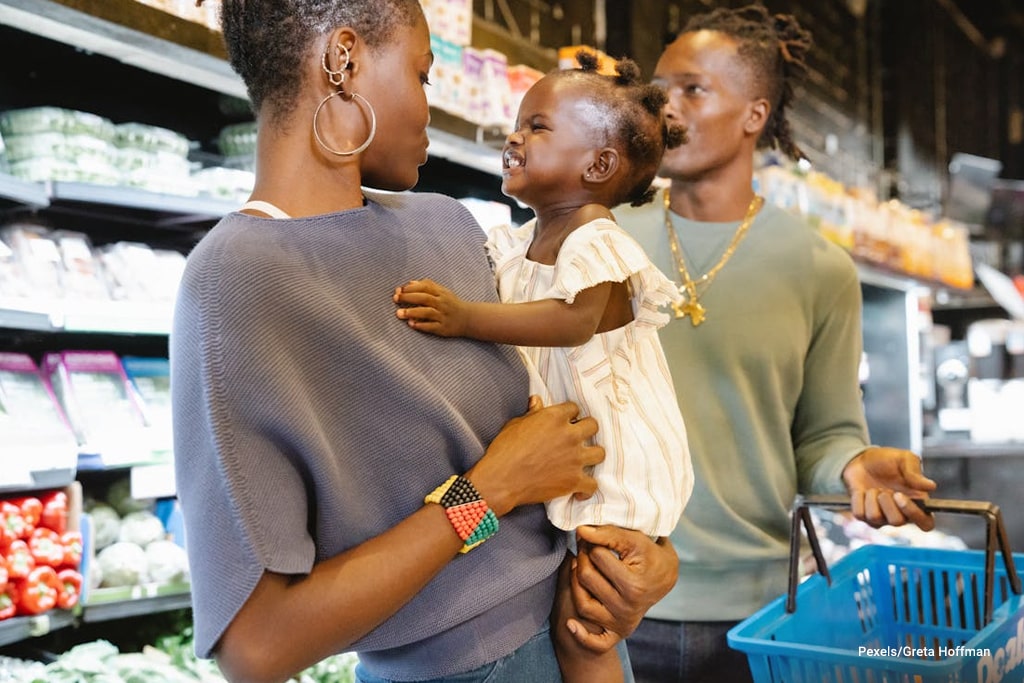
Green parenting is the practice of raising children with an awareness of environmental responsibility. It focuses on sustainable habits, minimal waste, conscious consumption, and greater appreciation for nature.
Core values include:
The goal is not to overwhelm children—but to model responsible behavior and guide them through simple, meaningful actions.
Why Raising Eco-Conscious Kids Matters
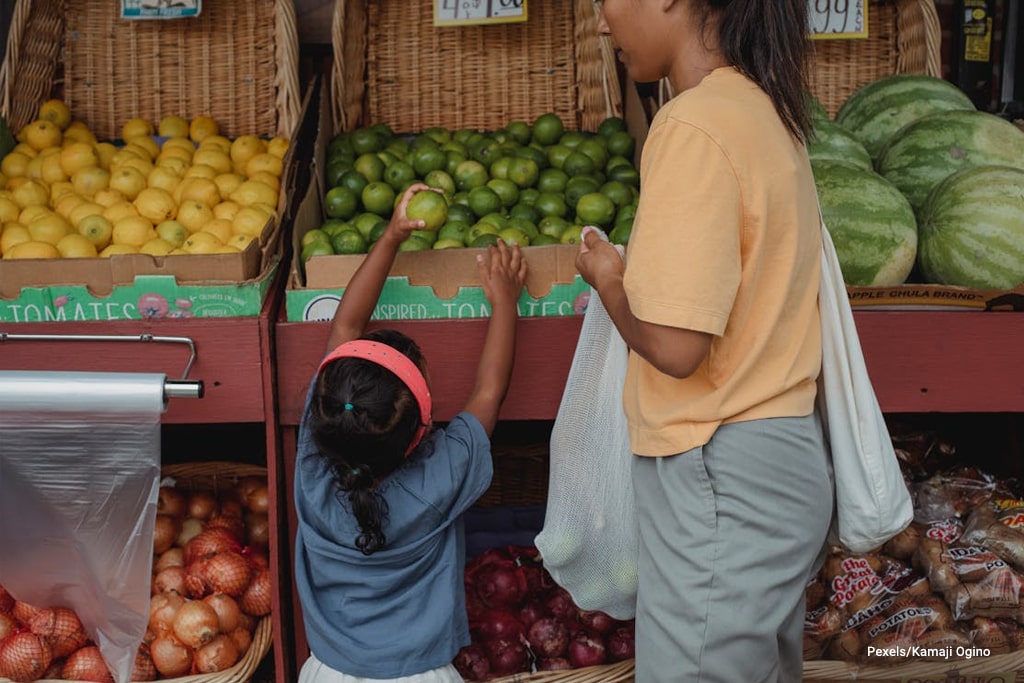
Kids who grow up environmentally aware are more likely to make sustainable choices as adults. They become responsible consumers, thoughtful community members, and advocates for a healthier planet.
Benefits of teaching sustainability early:
A green-minded child today becomes a climate-resilient adult tomorrow.
1. Start With Small, Everyday Habits
Kids learn best through repetition and practical routines. Incorporate simple eco-friendly habits into daily life and make them part of the family culture.
Easy habits to introduce:
Start with one or two habits at a time—consistency matters more than complexity.
2. Teach Kids About Reduce, Reuse, Recycle
The classic “3 Rs” are still the foundation of everyday sustainability.
Ways to make the 3 Rs fun:
When kids see that “less waste” can be creative and enjoyable, they’re more likely to adopt the mindset.
3. Introduce Kids to Gardening and Nature
Gardening is one of the most powerful tools for teaching sustainability. Kids naturally become curious about plants, insects, soil, and how ecosystems work.
Ideas to get started:
These outdoor experiences foster appreciation, responsibility, and love for the earth.
4. Encourage Eco-Friendly Play
Playtime is a huge opportunity to teach sustainable choices.
Eco-friendly play ideas:
Fewer, better toys not only reduce waste but also help kids become more imaginative and focused.
5. Teach the Value of Water and Energy Conservation
Children often don’t realize that resources are limited. Simple conversations and habits can make a big difference.
Tips:
Practical demonstrations make learning more meaningful than lectures.
6. Make Sustainable Eating a Family Routine
Food choices play a major role in environmental impact. Start small and keep it realistic.
Family-friendly sustainable food ideas:
Kids who understand food sources are more likely to appreciate and not waste resources.
7. Lead by Example: Kids Copy What They See
Children imitate adult behavior. The most effective way to raise eco-conscious kids is to show—not tell.
Model green habits:
When sustainability becomes a visible part of your lifestyle, kids naturally follow.
8. Talk About the Planet—But Keep It Positive
Kids don’t need to be overwhelmed with environmental doom. Frame sustainability in a hopeful, empowering way.
Positive conversation starters:
Focus on solutions, not fear.
9. Celebrate Their Efforts
Acknowledgment reinforces habits. Celebrate green milestones to keep kids motivated.
Celebrate through:
Positive reinforcement helps eco-friendly habits stick long-term.
Teaching Kids to Love and Protect the Planet
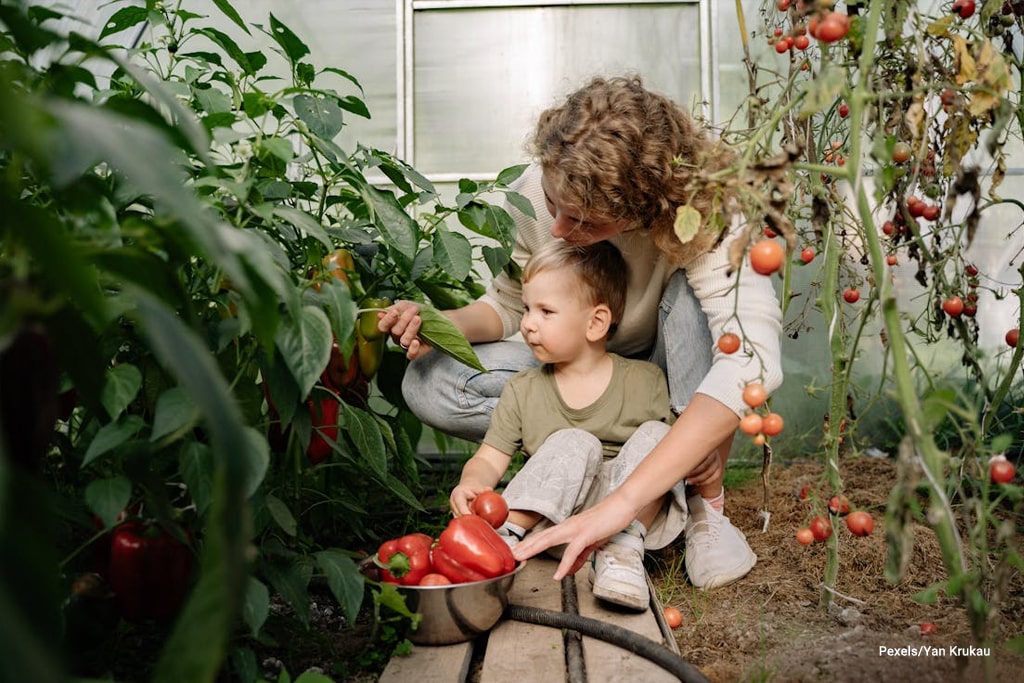
Green parenting is not about being perfect—it’s about being intentional. By introducing small habits, encouraging curiosity, and modeling sustainable choices, you can raise children who care deeply about the environment and understand their role in protecting it.
Every little step matters. When kids learn to value the planet early, they grow into adults who help create a greener, safer, and more sustainable future.