- Reduced plastic waste
- Fewer chemical pollutants in water systems
- Lower carbon emissions
- Local and small-scale producers
- A circular, sustainable lifestyle
- Supports digestion
- Reduces inflammation
- Helps with nausea and colds
- Promotes relaxation
- Soothes digestive discomfort
- Easy to grow in home gardens
- Eases headaches
- Supports digestion
- Relieves congestion
- Anti-inflammatory properties
- Supports immune health
- Reduces need for synthetic supplements
- Vinegar for disinfecting
- Baking soda for scrubbing
- Lemon for fresh scent
- No harmful VOCs
- Biodegradable
- Small amounts go a long way
- Soothes burns and irritation
- Moisturizes skin
- Reduces packaging waste
- Makeup remover
- Body lotion
- Hair conditioner
- Relieves itching and dryness
- Compostable leftovers
- Safe for waterways
- Herbal teas from homegrown herbs
- Salves using beeswax and infused oils
- Herbal tinctures in reusable glass bottles
- Apple cider vinegar infusions
- Healing balms from calendula or lavender
- Basil
- Mint
- Rosemary
- Thyme
- Lemon balm
- Calendula
- Aloe vera
- Fair-trade ingredients
- Locally grown herbs
- Organic sources when possible
- Refillable or compostable packaging
- Reduce dependency on mass-produced goods
- Promote self-sufficiency
- Support biodiversity
- Strengthen local economies
- Reduce waste
Living a green lifestyle is about making conscious choices that protect your health, reduce environmental impact, and support long-term sustainability. One of the most meaningful (and often overlooked) ways to do this is through the use of natural remedies. By turning to plants, herbs, and simple home-based solutions, you reduce reliance on synthetic products, minimize waste, and reconnect with nature.
Natural remedies aren’t just good for your body. They are also powerful tools for eco-friendly living and sustainable lifestyle practices.
Why Natural Remedies Are More Sustainable

Conventional over-the-counter products often rely on synthetic chemicals, excessive packaging, and resource-heavy manufacturing processes. Natural remedies, when used responsibly, have a smaller environmental footprint and are often biodegradable, locally sourced, and low-waste.
Choosing natural remedies supports:
Herbal Remedies for Everyday Wellness
Herbs are the foundation of traditional natural medicine and one of the most sustainable remedies available.
1. Ginger for Digestion and Inflammation

Ginger is easy to grow at home and can be used fresh or dried.
Growing your own ginger reduces packaging and transport emissions.
2. Chamomile for Relaxation and Sleep
Chamomile tea is a gentle remedy for stress, anxiety, and sleep.
Homegrown chamomile supports eco-friendly living and reduces reliance on packaged teas.
3. Peppermint for Headaches and Digestion
Peppermint is a fast-growing, low-maintenance herb.
It’s a perfect example of a renewable, sustainable remedy.
4. Turmeric for Inflammation and Immunity
Turmeric root can be grown in containers and used fresh.
Natural Remedies for Home and Household

Green living isn’t just about personal wellness, it’s also about maintaining a healthier home environment.
1. Vinegar and Baking Soda for Cleaning
Instead of chemical cleaners, use:
These reduce indoor air pollution and plastic waste.
2. Essential Oils for Air Freshening
Essential oils like lavender, eucalyptus, and lemon offer natural alternatives to synthetic air fresheners.
Use them responsibly to keep sustainability at the core.
Plant-Based Remedies for Skin and Body Care
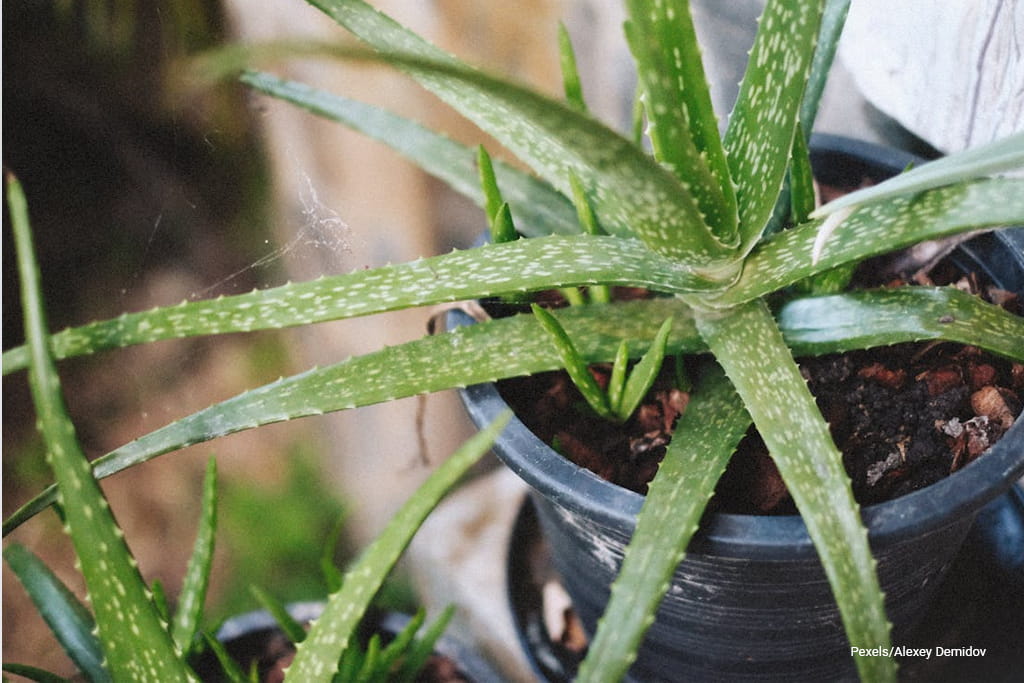
Many skincare products contain chemicals harmful to the environment. Natural remedies offer eco-friendly alternatives.
1. Aloe Vera for Skin Healing
Aloe is easy to grow and highly effective.
2. Coconut Oil as a Multi-Purpose Remedy
Coconut oil can replace:
Fewer products = less waste = more sustainable lifestyle.
3. Oatmeal for Sensitive Skin
Oatmeal baths and masks are gentle and biodegradable.
DIY Natural Remedies for a Zero-Waste Lifestyle
Making your own remedies reduces packaging and encourages mindful consumption.
Simple DIY Ideas:
DIY remedies align perfectly with eco-friendly living.
Growing Your Own Natural Remedies

One of the most sustainable choices you can make is growing your own medicinal plants. Even small balconies or windowsills can support herbs.
Easy plants to grow:
Home growing reduces emissions and strengthens your connection to nature.
Ethical Sourcing and Sustainability
Not all natural remedies are sustainable if sourced irresponsibly. Always choose:
Sustainability is about intention as much as ingredients.
The Role of Natural Remedies in a Sustainable Lifestyle
Natural remedies encourage a slower, more mindful approach to health and wellness. They:
These small daily choices build a truly sustainable lifestyle over time.
Conclusion: Healing Ourselves While Healing the Planet
Natural remedies offer more than health benefits, they are a pathway to greener living. By choosing plant-based, low-waste solutions and supporting ethical practices, you align personal wellness with environmental responsibility.A green lifestyle starts at home, one mindful remedy at a time.